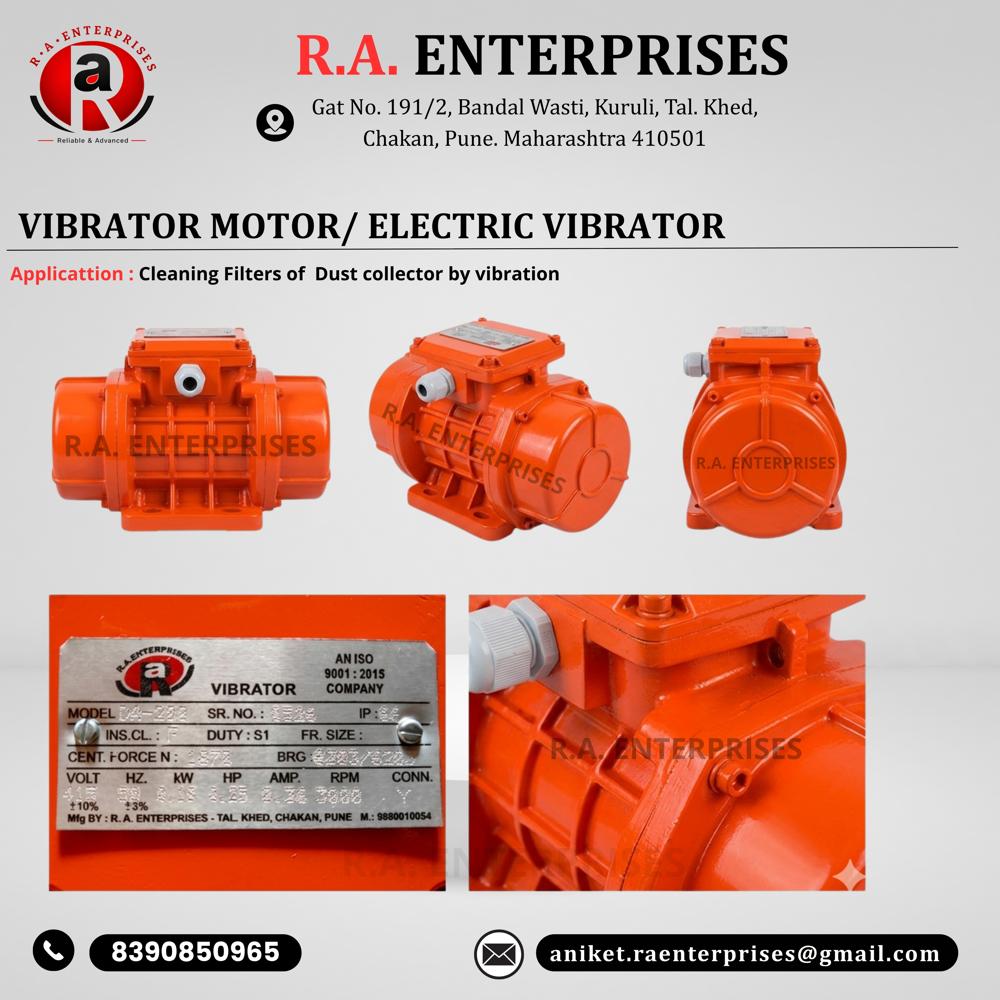
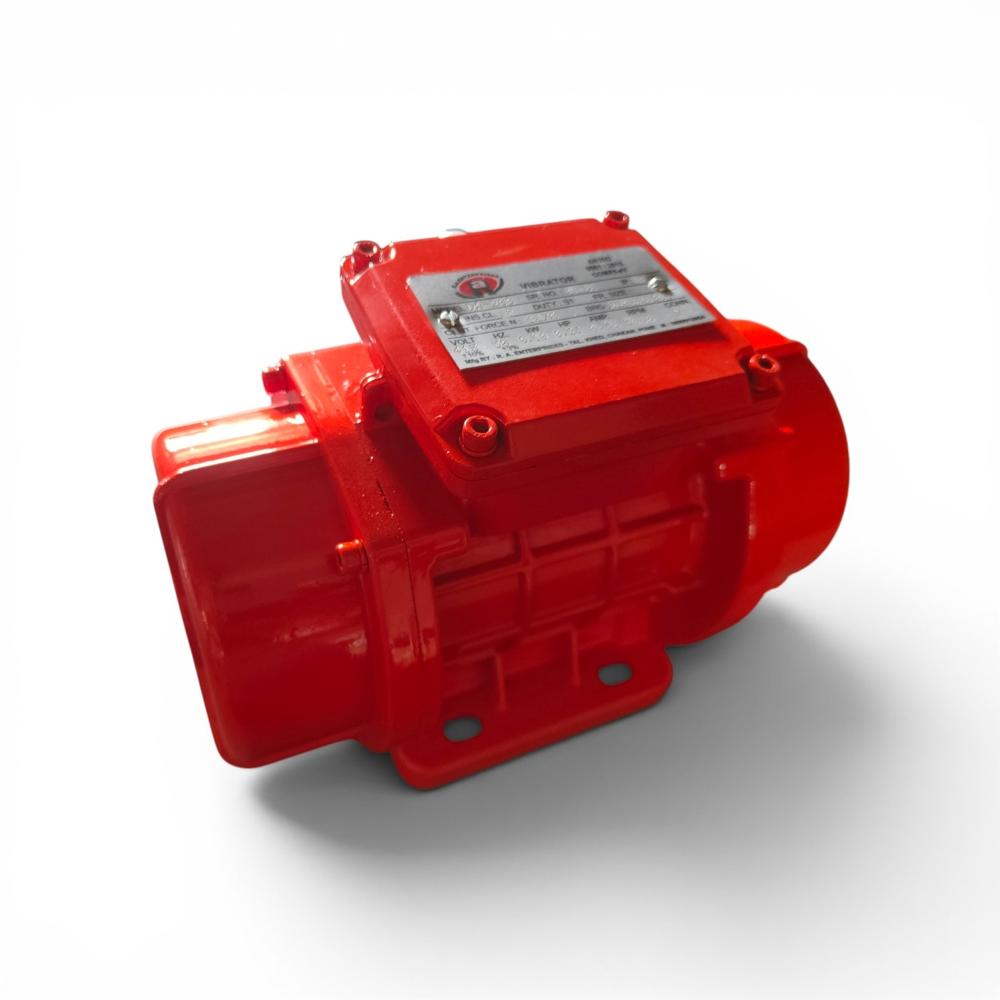
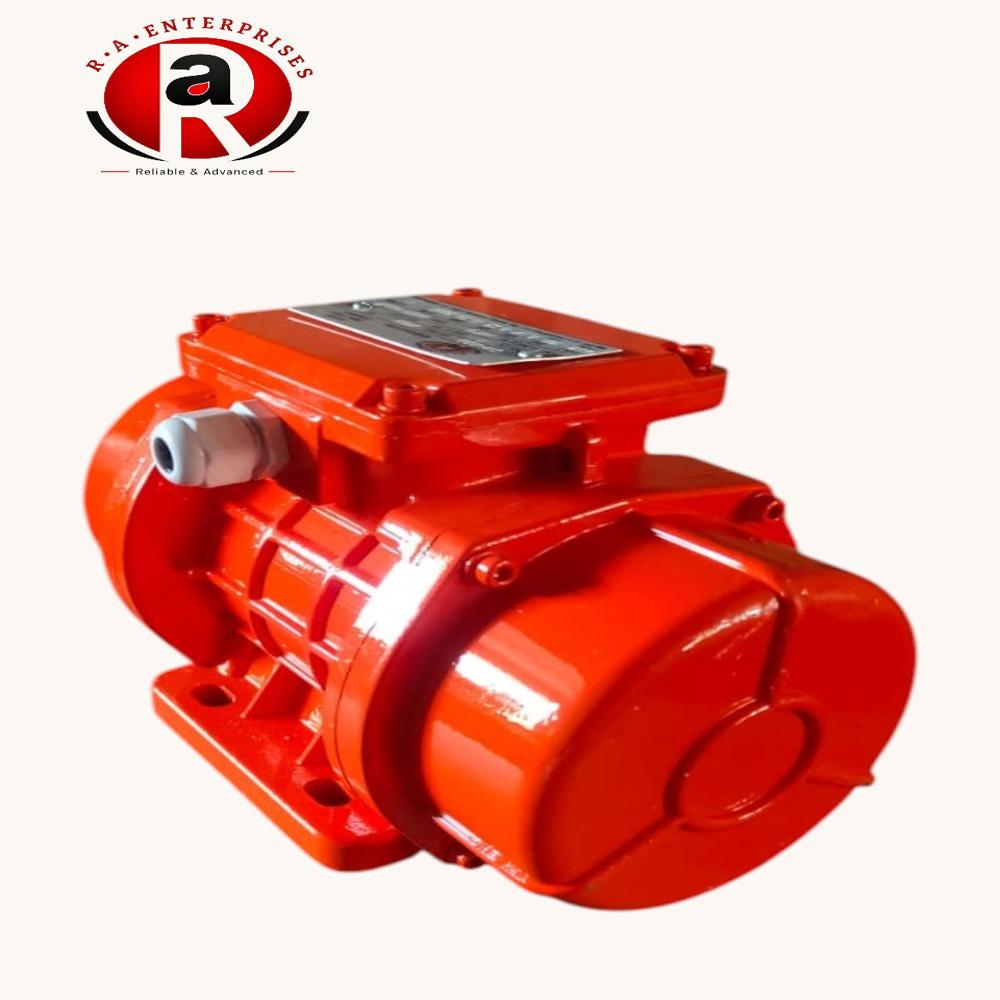
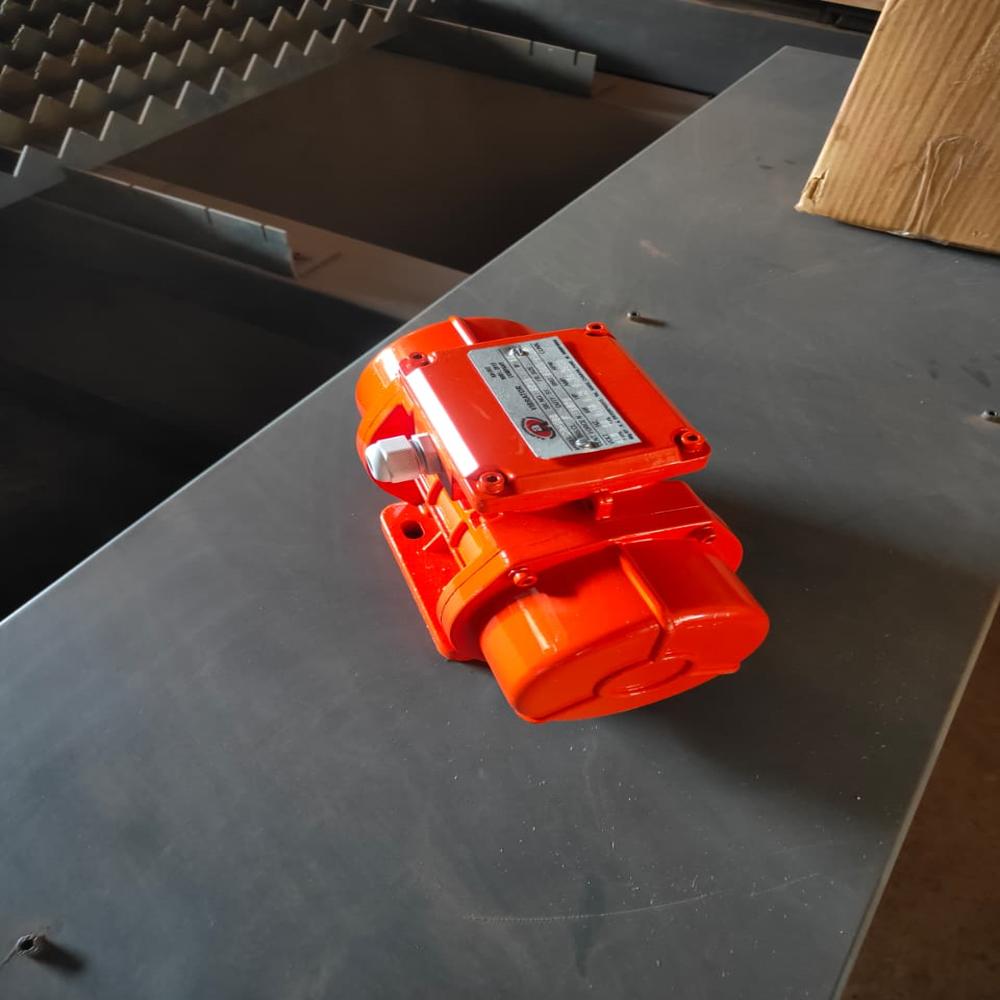
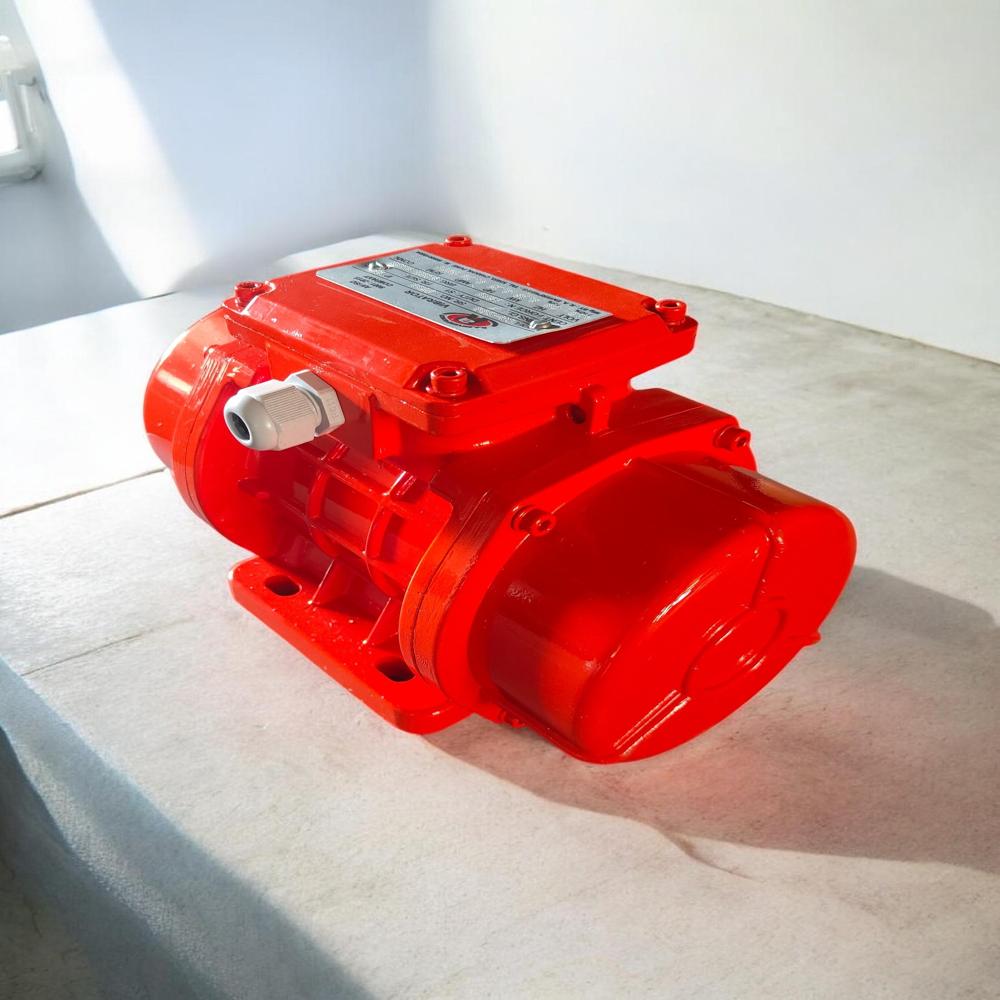
An electromechanical vibrator is an electric motor fitted with adjustable eccentric weights. Rotation of the weights generates centrifugal vibration that can be used for filter cleaning or improving powder flow.
A vibrating motor is another name for an electric external vibrator or unbalanced motor. It creates controlled vibration when electrical power is supplied.
Eccentric weights are mounted on the motor shaft. As the shaft rotates, the unbalanced weights generate vibration and transfer it to the dust collector, hopper, bin or other equipment.
In a vibratory dust collector, the motor shakes the cartridge or filter assembly to remove accumulated dust. The released material then falls into the silo or collection hopper.
Yes. It can be mounted on the hopper to help reduce powder bridging and assist the discharge of collected dust.
It may also be called an electric vibrator, external electric vibrator, motovibrator, unbalanced motor, industrial vibrator, hopper vibrator or vibration motor.
An ordinary motor is designed to produce rotational power for machinery. A vibrating motor intentionally uses eccentric weights to convert rotation into vibration.
Vibratory filter cleaning is generally performed offline after airflow or silo filling has stopped. The cleaning sequence depends on the dust collector design.
No. It operates using electrical power and does not require compressed air.
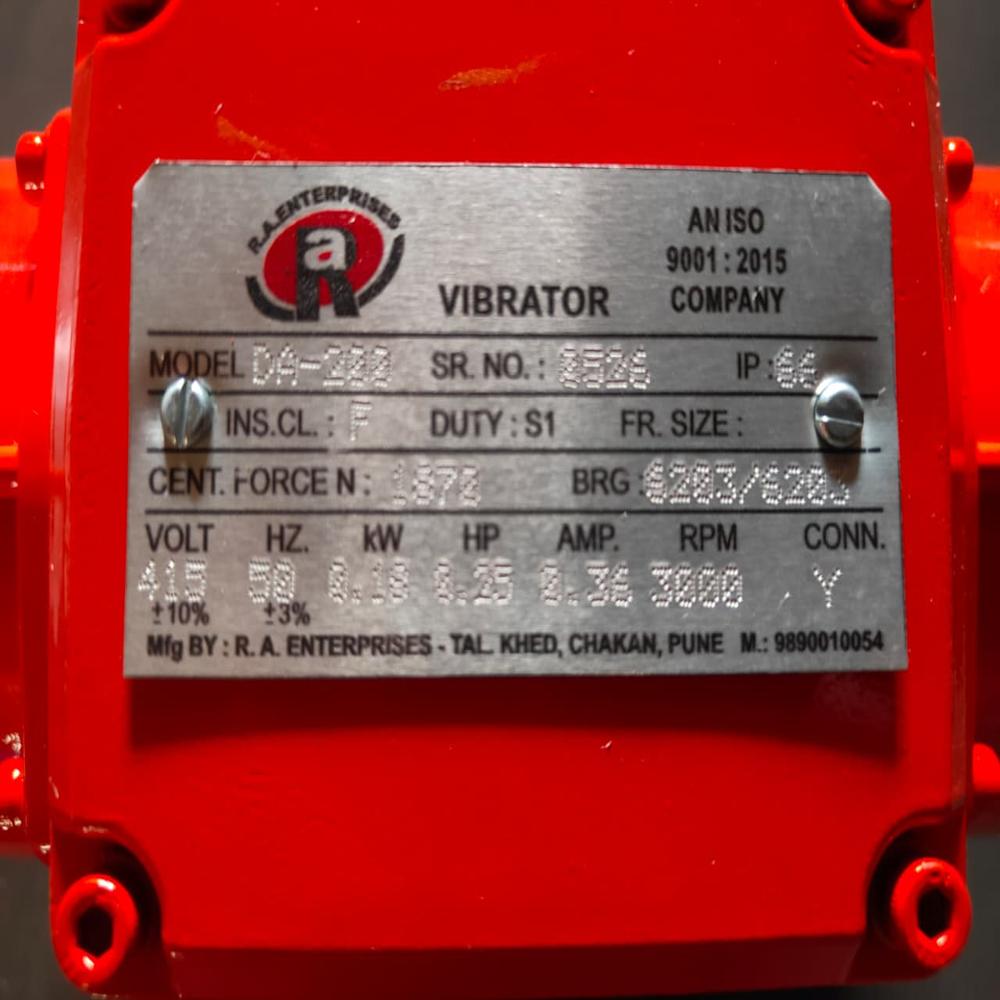
Centrifugal force is the vibration force generated by the rotating eccentric weights. It must be correctly selected for the equipment size and application.
Many vibrating motors allow the eccentric weights to be repositioned to adjust the vibration force. Adjustment must be equal on both ends and performed according to the manufacturers instructions.
Excessive vibration can damage filter cartridges, mounting brackets, welds, bearings and the dust collector structure. It can also loosen fasteners.
Insufficient vibration may not remove accumulated dust effectively, resulting in blocked filters and increased differential pressure.
Selection depends on the equipment weight, required centrifugal force, motor speed, operating frequency, duty cycle, electrical supply and mounting arrangement.
Vibrating motors are available with different rotational speeds and pole configurations. The required speed depends on whether the application needs high-frequency or low-frequency vibration.
Yes. Single-phase vibrating motors are available for smaller applications where a three-phase electrical supply is unavailable.
Yes. Three-phase vibrating motors are commonly used for industrial dust collectors, hoppers, screens and material-handling equipment.
Yes. The control panel can start the vibrating motor automatically for a selected cleaning time after the filtration cycle stops.
In many vibratory dust collectors, the blower or filling airflow is stopped before the vibration-cleaning cycle begins. The correct interlocking sequence depends on the dust collector design.
Possible causes include power-supply failure, overload relay tripping, loose wiring, phase failure, damaged windings, seized bearings or a faulty contactor.
Weak vibration may result from incorrect weight adjustment, loose mounting, low voltage, incorrect motor rotation, damaged bearings or an undersized vibrator.
Possible causes include incorrect voltage, phase imbalance, excessive operating time, loose mounting, overloading, poor ventilation or bearing damage.
Vibration can loosen incorrectly tightened fasteners. Use the specified high-strength bolts, washers, tightening torque and regular inspection schedule.
Yes, provided its enclosure and electrical protection rating are suitable for outdoor dust, rain and temperature conditions.
Not automatically. Potentially explosive dust applications require a hazard assessment and a suitably certified vibrator and electrical installation.
Regularly inspect the mounting bolts, electrical cable, terminal box, bearings, eccentric weights, protective covers and motor temperature.
Bearings can be replaced in serviceable motor designs. Replacement should be performed using the correct bearing type and maintenance procedure.
The price depends on centrifugal force, motor power, rotational speed, phase, voltage, protection rating, certification and required quantity.
Yes. RA Enterprises supplies electromechanical vibrators for dust-collector cleaning, hopper discharge, silo flow assistance and industrial vibrating equipment.
Please provide the application, equipment weight, required vibration force, motor speed, voltage, phase, duty cycle, mounting arrangement, quantity and delivery location.
Electromechanical vibrator
Electric vibrating motor
Electrical vibrator
Industrial vibrating motor
Electric external vibrator
External electric vibrator
Motovibrator
Motor vibrator
Unbalanced motor vibrator
Unbalance vibration motor
Industrial vibrator motor
Dust collector vibrating motor
Vibratory dust collector motor
Filter cleaning vibrating motor
Cartridge cleaning vibrator
Mechanical shaker motor
Dust collector shaker motor
Hopper vibrating motor
Dust collector hopper vibrator
Cement hopper vibrator
Fly ash hopper vibrator
Silo vibrator motor
Bin vibrator
Powder flow vibrator
Material flow aid vibrator
Centrifugal force vibrator
Adjustable vibration motor
Single-phase vibrating motor
Three-phase vibrating motor
High-frequency vibrating motor
Low-frequency vibrating motor
Electric vibrator for cement plant
Electric vibrator for batching plant
Vibrating motor for dust collector
Vibrating motor price in India
Electromechanical vibrator manufacturer in India
Industrial vibrating motor supplier in Pune
Dust collector vibrator supplier in Pune


Price:
Price 1250.0 INR / Unit
Minimum Order Quantity : 10 Units
Weight : Differ as per size Kilograms (kg)
Usage : Industrial
Warranty : Yes
Condition : New