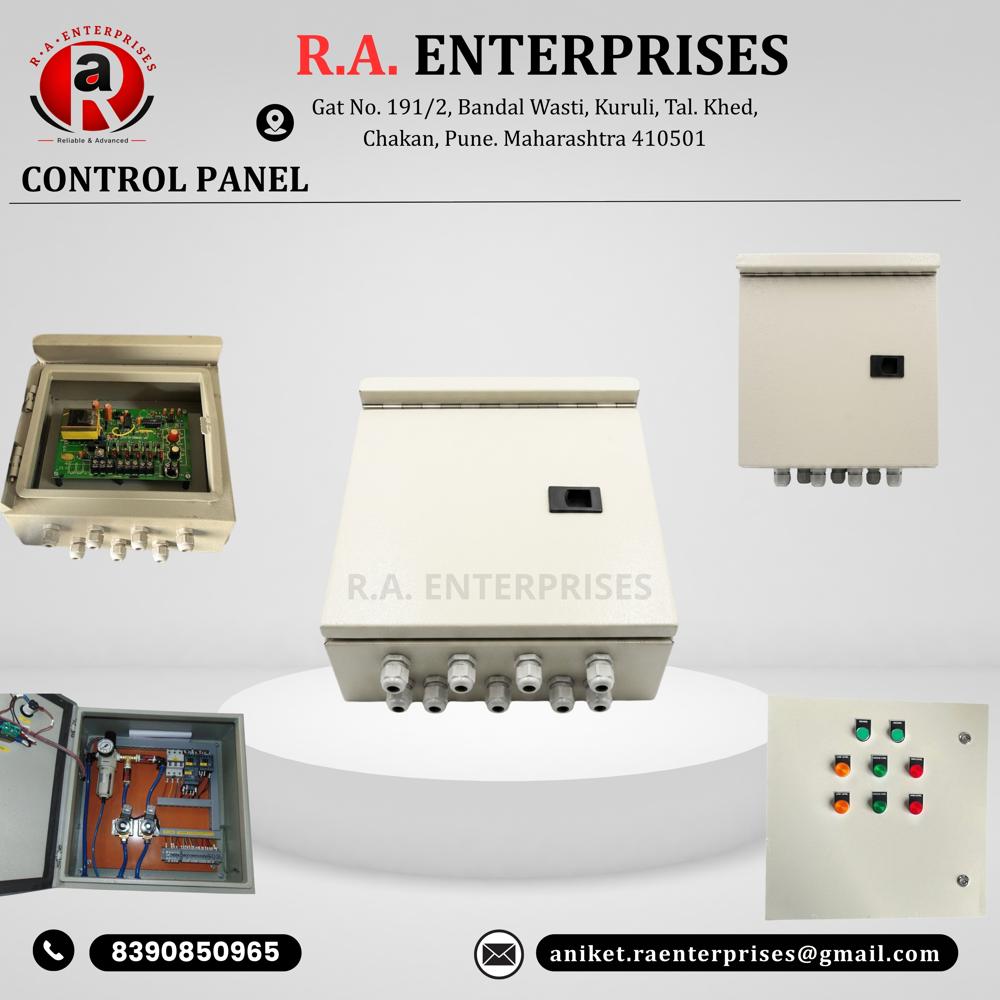
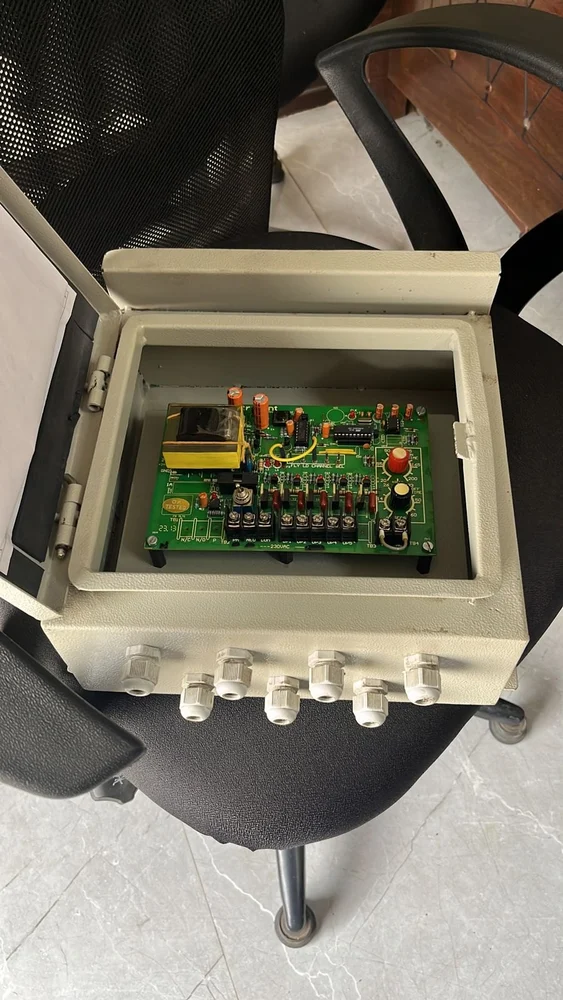
A dust collector control panel is an electrical system used to operate and protect the blower, vibrating motor, pulse valves, rotary valve, butterfly valve and other dust-collector components.
The panel manages the operating sequence of the dust collector and helps ensure that filtration, filter cleaning and dust discharge occur in the correct order.
Depending on the design, the panel can control the suction blower, vibratory motor, pulse-jet solenoid valves, rotary airlock, screw conveyor, butterfly valve actuator and warning alarms.
Yes. It can stop the filtration process, operate the vibrating motor for a preset cleaning period and restart the system after the cleaning cycle is complete.
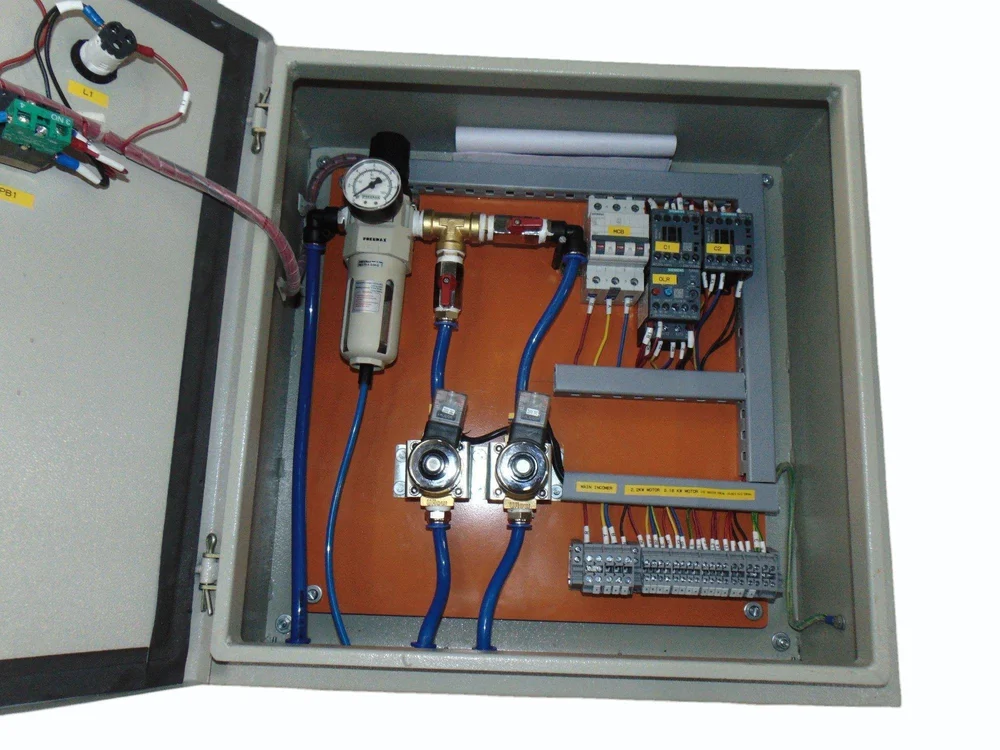
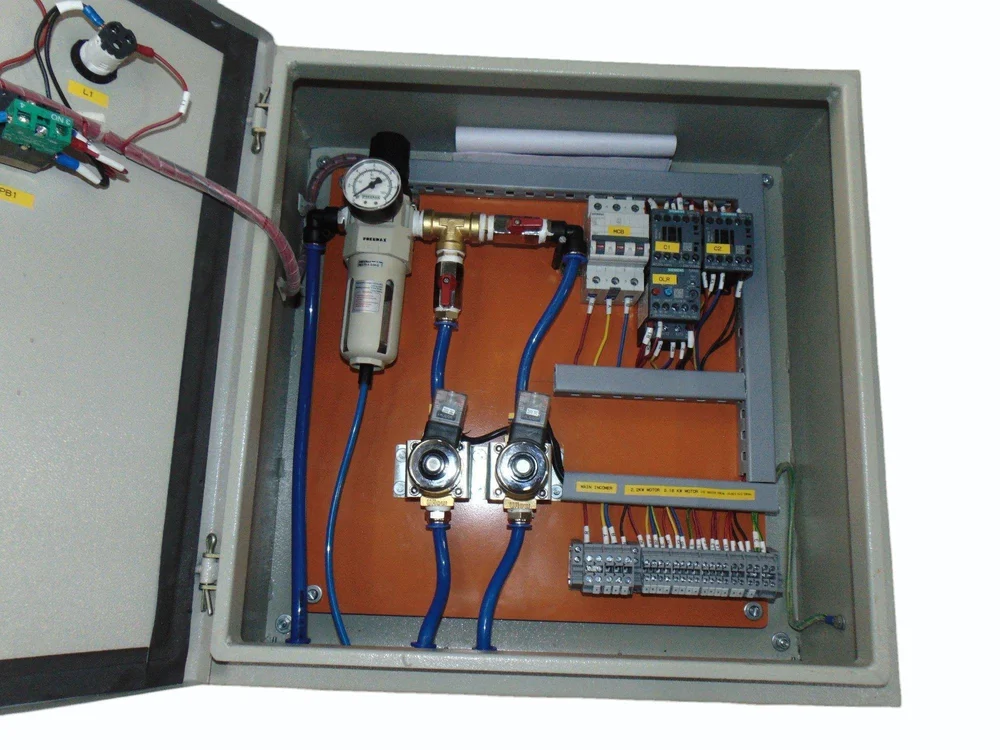
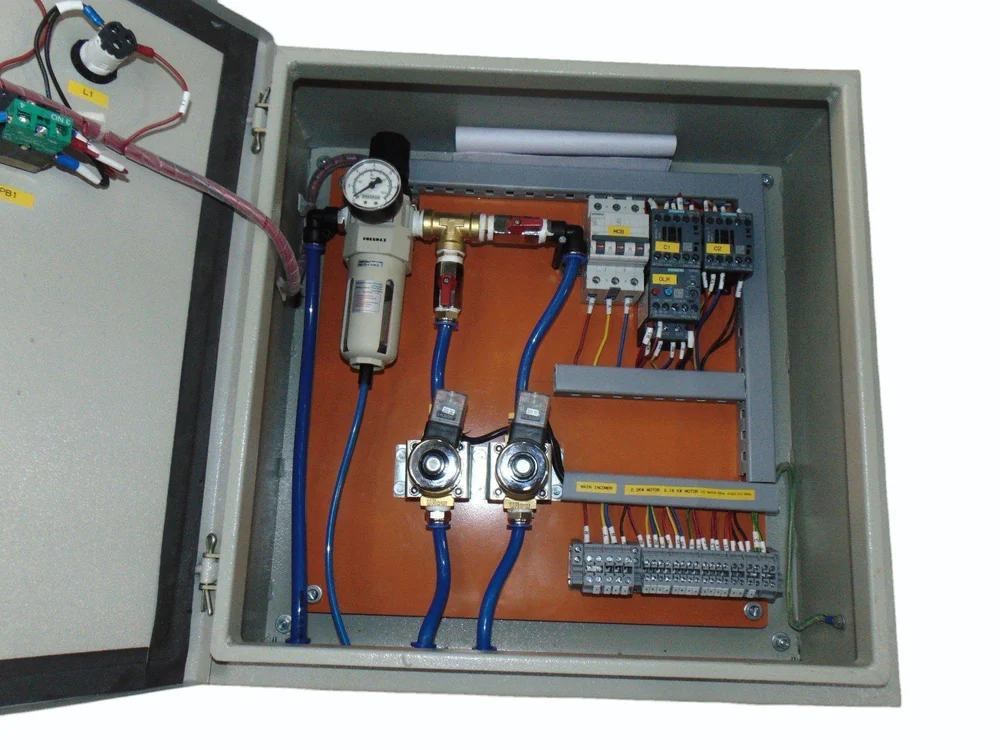
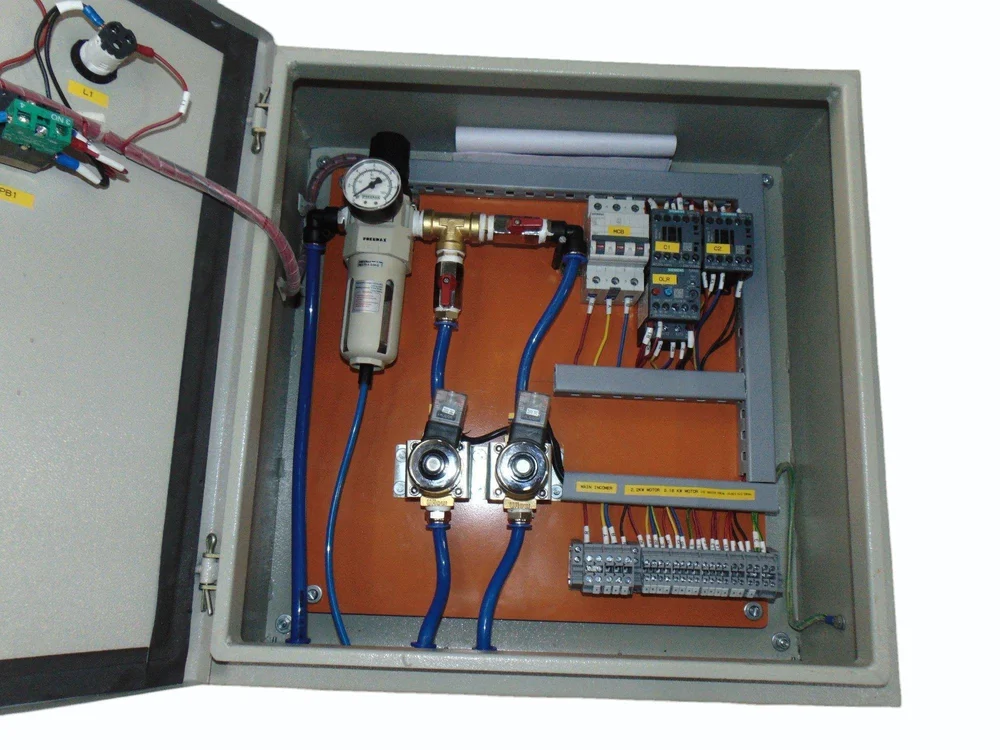
Yes. A pulse-jet panel can activate solenoid valves sequentially to clean the filter cartridges or bags using compressed-air pulses.
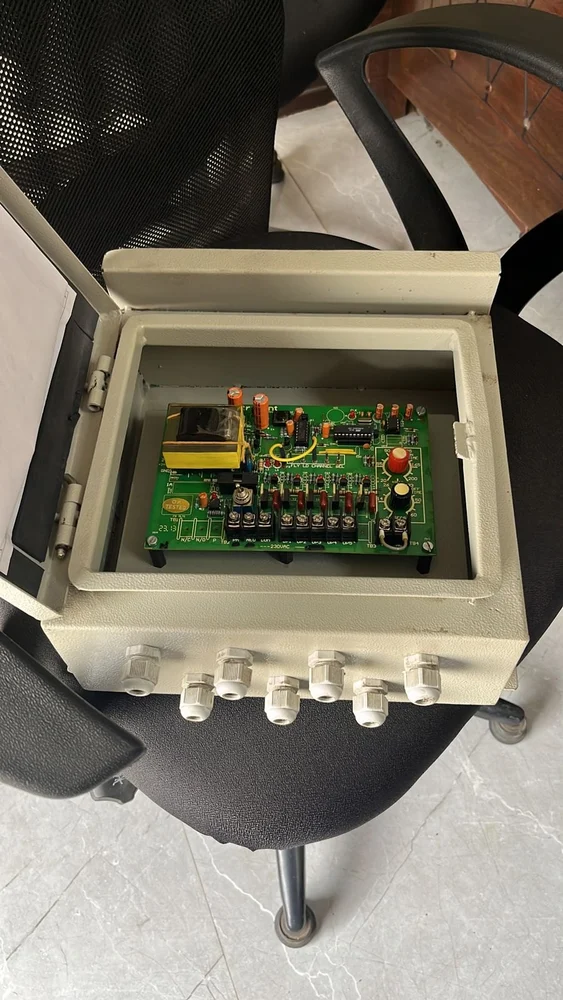
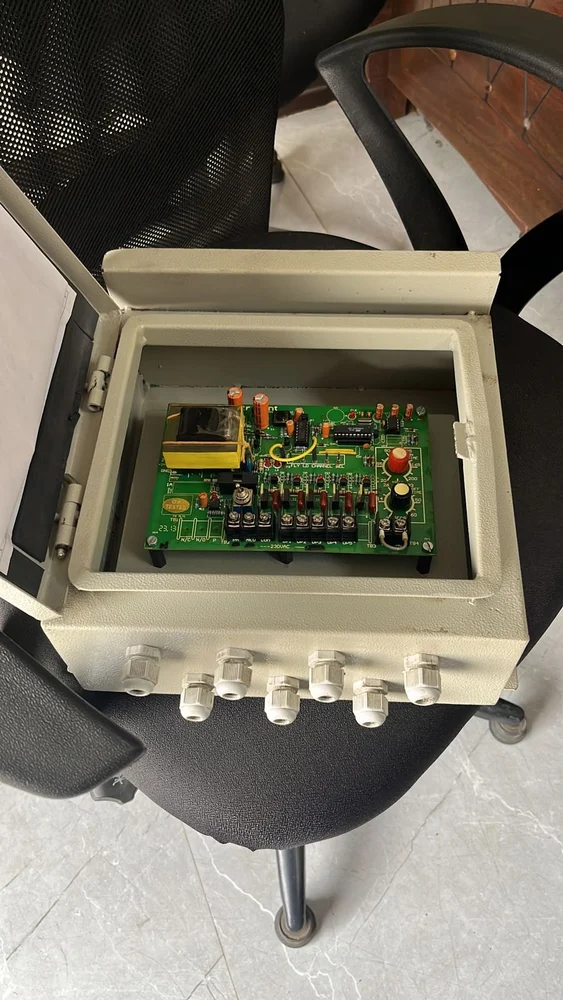
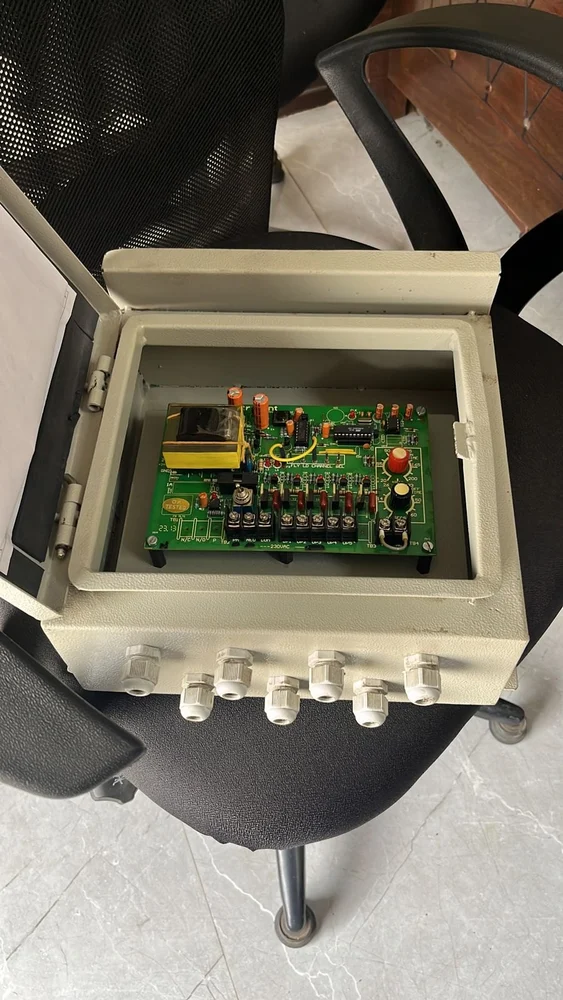
A sequential pulse controller is an electronic device that activates each pulse valve in a programmed sequence. It controls pulse duration and the time interval between pulses.
Pulse-on time is the duration for which a solenoid valve remains activated during one compressed-air cleaning pulse.
Pulse-off time is the delay between the operation of one pulse valve and the next valve in the sequence.
Yes. Pulse duration and interval can normally be adjusted according to the number of valves, dust loading and filter-cleaning requirement.
A differential pressure controller monitors the pressure difference across the filter elements. It can start a cleaning cycle when the pressure reaches a selected limit.
It helps identify blocked filters, insufficient cleaning, excessive airflow and damaged filter elements. It also helps reduce unnecessary filter-cleaning cycles.
Yes. The panel can include a differential pressure display, warning lamp, buzzer or alarm contact.
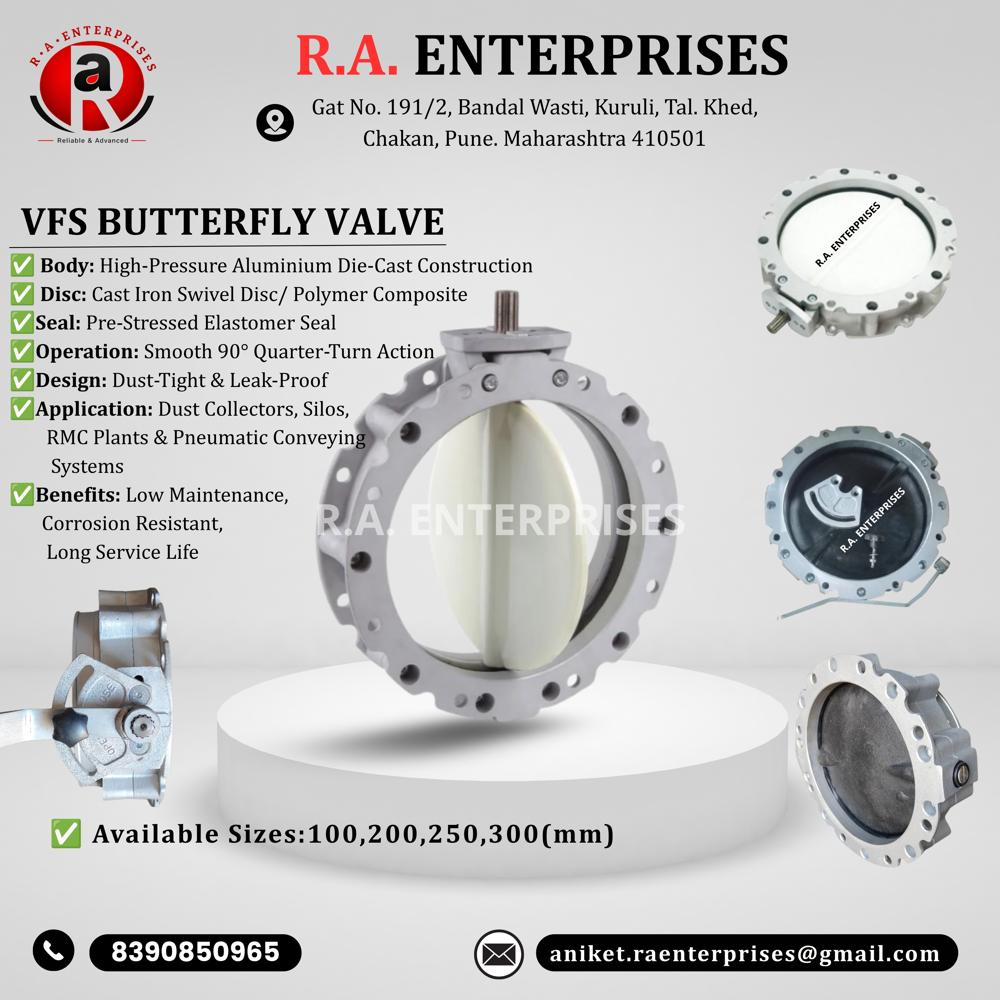
Yes. It can open or close pneumatic or electric butterfly valves according to the cleaning and dust-discharge sequence.
Yes. A motor starter or variable-frequency drive can be provided to operate the rotary airlock below the dust collector hopper.
Yes. It can include a direct-on-line starter, star-delta starter, soft starter or variable-frequency drive according to the blower motor rating.
A timer-based panel cleans filters at fixed intervals. A differential-pressure-based panel starts cleaning according to the measured filter resistance.
Differential-pressure-based cleaning can reduce unnecessary pulse cycles because the cartridges are cleaned according to actual filter condition.
Yes. A selector switch can provide manual mode for testing and maintenance and automatic mode for normal operation.
Yes. The panel can exchange start, stop, running, fault and alarm signals with a plant PLC or batching plant control system.
Remote operation is possible when the panel and plant-control system are designed with suitable input and output connections.
Common protections include short-circuit protection, overload protection, phase-failure protection, phase-sequence protection, under-voltage protection, earthing and emergency stopping.
An overload relay disconnects the motor circuit when excessive current is detected for a specified period, helping protect the blower or vibrating motor.
A phase-failure relay monitors the three-phase electrical supply and can stop the equipment if one phase is lost or the phase sequence is incorrect.
Yes. An emergency-stop push button can be provided to stop the dust collector equipment during an unsafe condition.
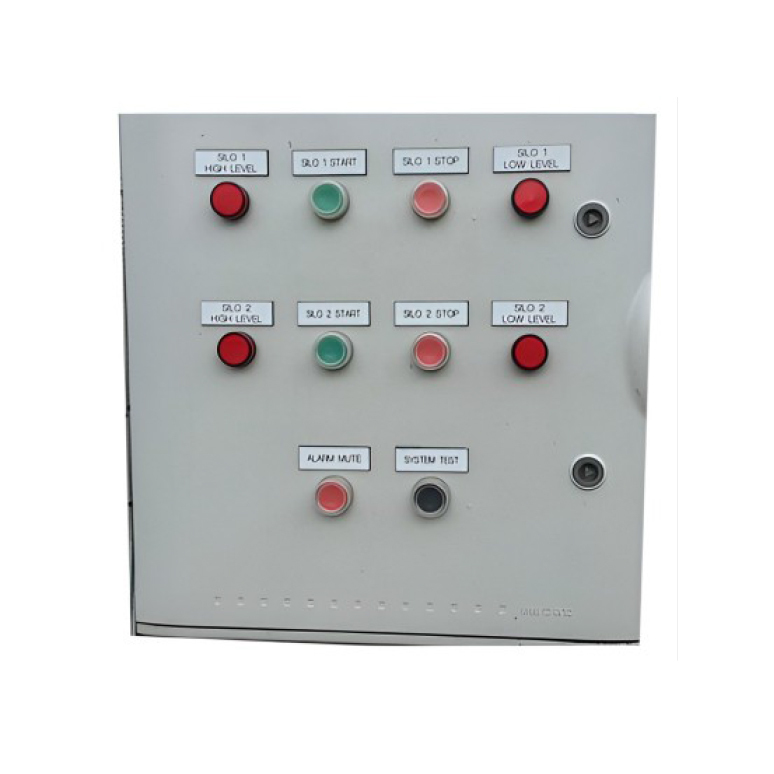
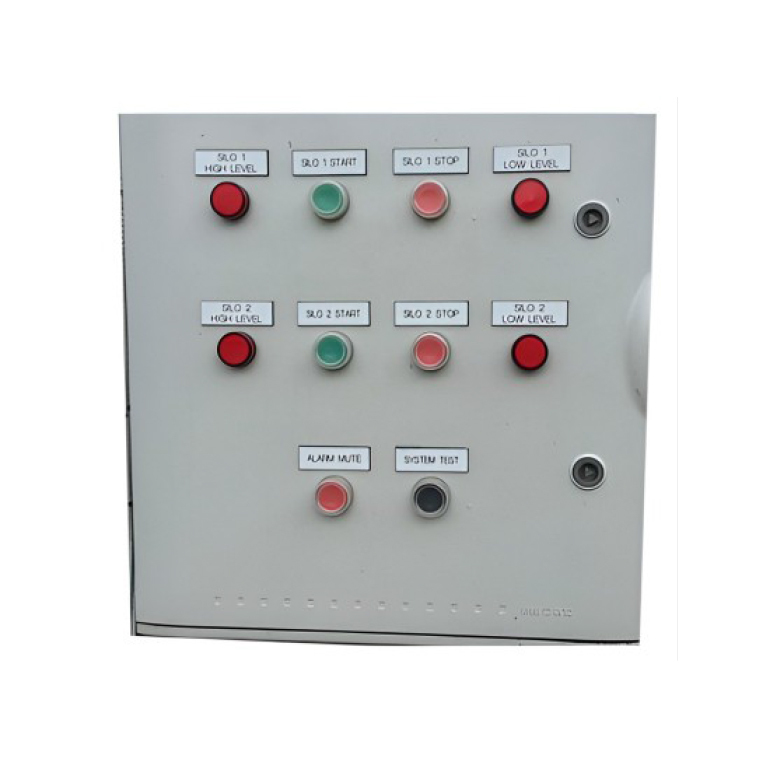
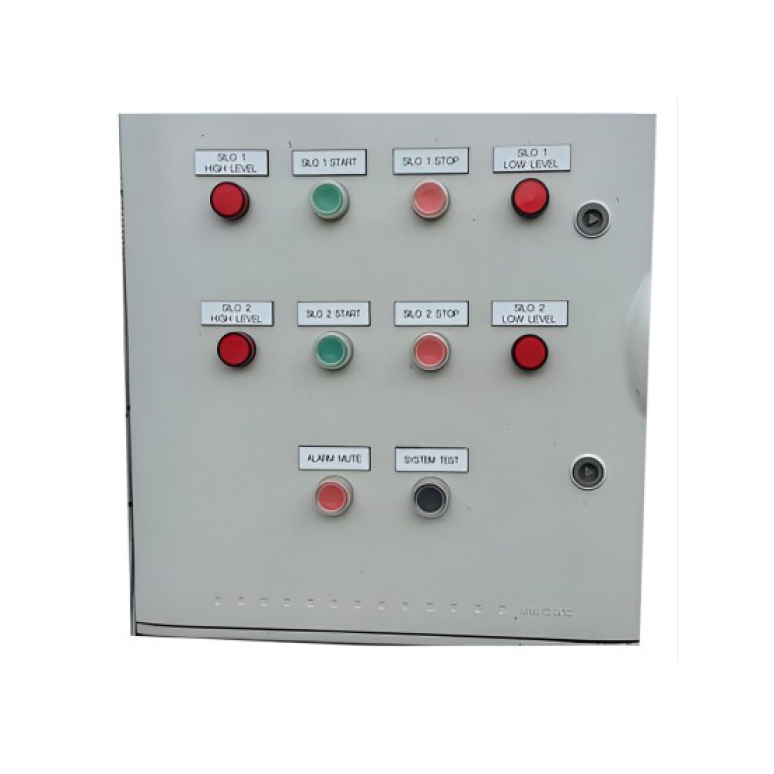
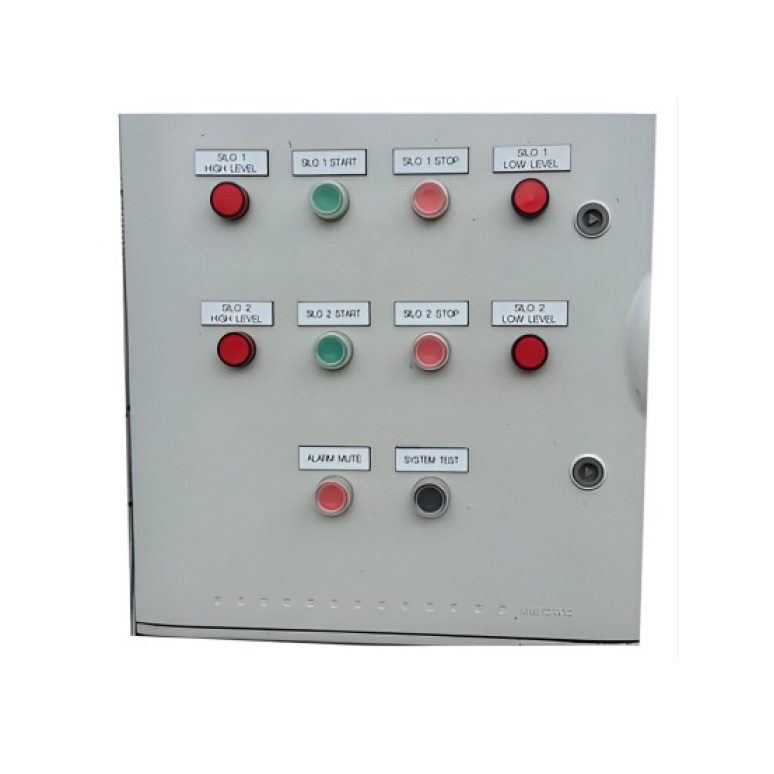
Yes. Indicator lamps can show power availability, blower running, vibrator running, cleaning cycle, valve position, high differential pressure and equipment faults.
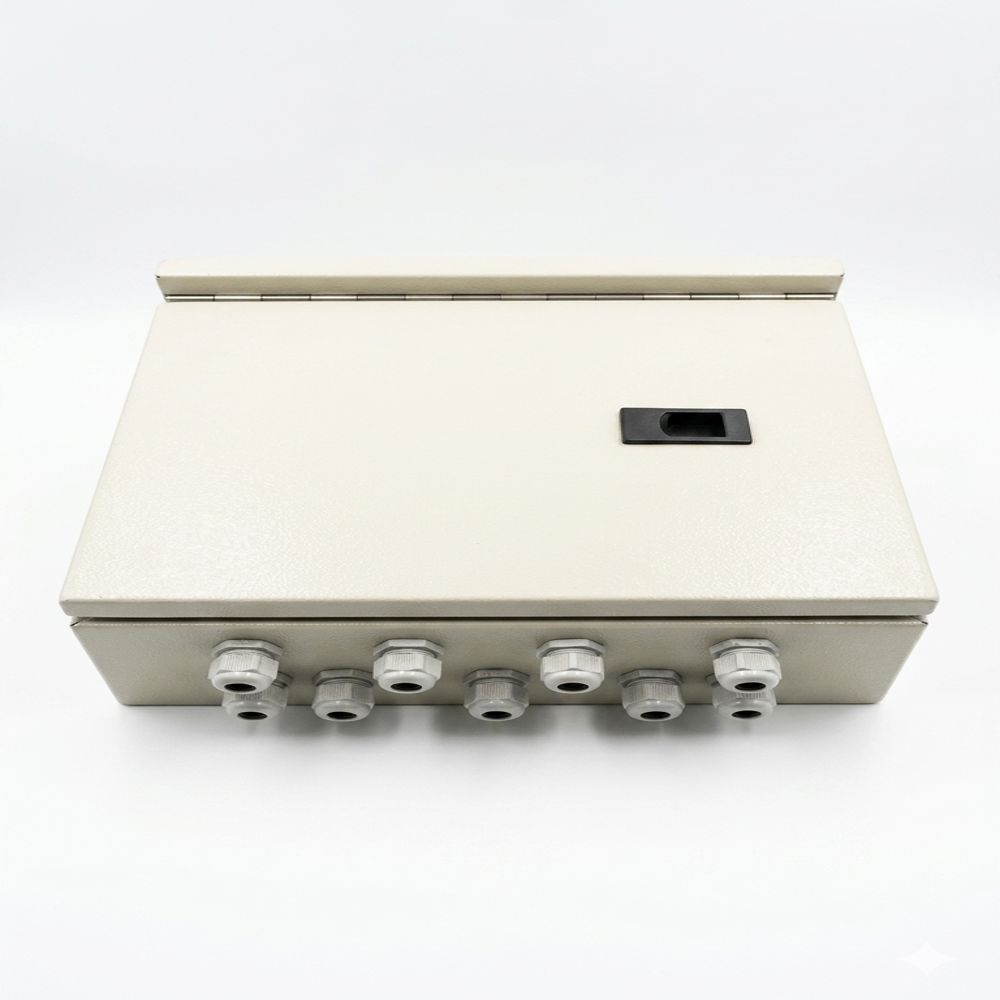
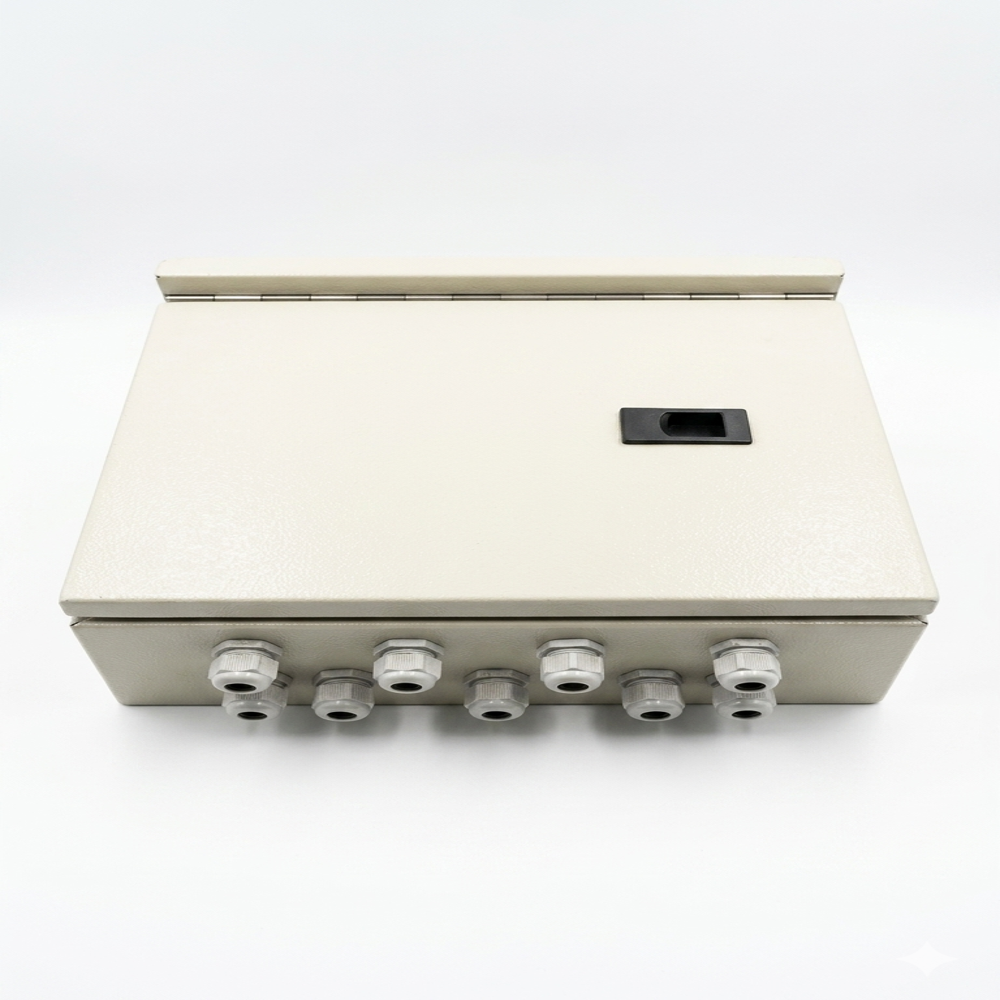
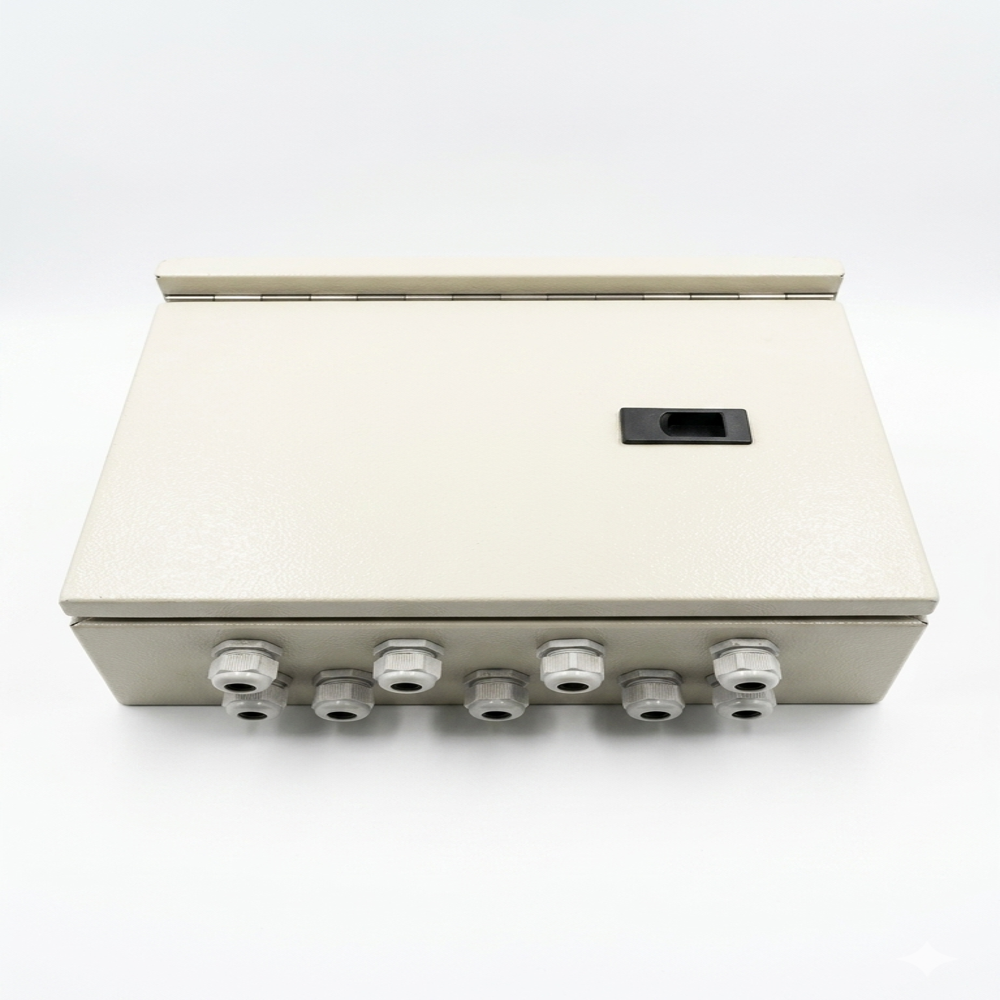
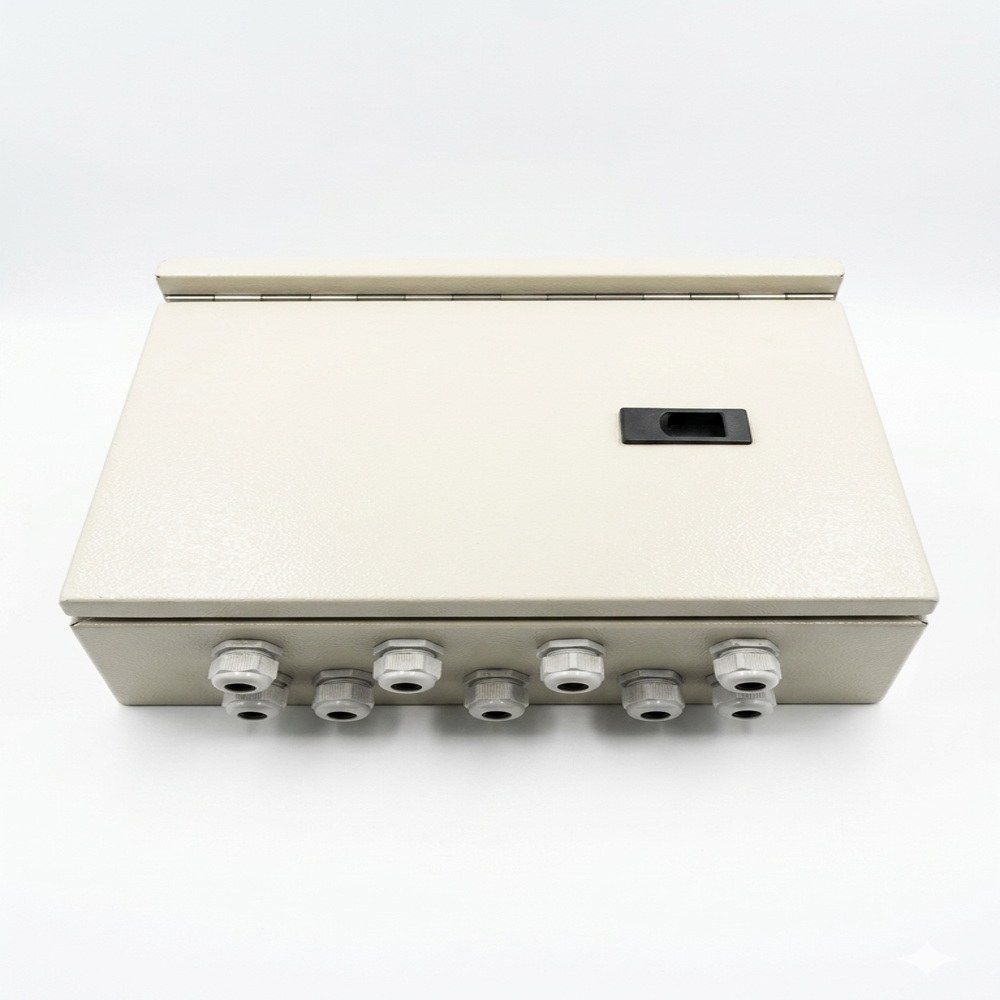
Yes. The enclosure protection rating, ventilation and weather cover must be selected for the installation environment.
A local panel is installed close to one dust collector. A centralized panel can operate several dust collectors, silos or dust-extraction points from one location.
Yes. It can be customized to control multiple dust collectors, blowers, valves and cleaning sequences, depending on the required input and output capacity.
Yes. A variable-frequency drive may be used to control blower speed and adjust airflow when the application requires variable suction.
Possible causes include a failed controller, incorrect timer setting, damaged solenoid valve, low compressed-air pressure, loose wiring or a blown fuse.
The motor may trip because of overloading, low voltage, phase failure, blocked airflow, damaged bearings, incorrect protection settings or an electrical fault.
Regularly inspect terminals, contactors, overload relays, fuses, cooling fans, switches, indicators, cable glands, earthing and panel cleanliness.
The price depends on the number of motors and pulse valves, motor ratings, automation level, PLC, differential pressure controller, variable-frequency drive, enclosure rating and required protections.
Yes. RA Enterprises can provide customized control panels for vibratory, pulse-jet and reverse-air-jet dust collectors according to the required operating sequence.
Please provide the dust collector type, number and ratings of motors, number of pulse valves, operating voltage, control mode, PLC requirement, differential pressure monitoring, enclosure location and project details.
Dust collector control panel
Dust collector electrical panel
Dust collector automation panel
Dust collector controller
Pulse-jet control panel
Pulse jet timer controller
Sequential pulse controller
Pulse valve controller
Reverse-air-jet control panel
Jet pulse filter controller
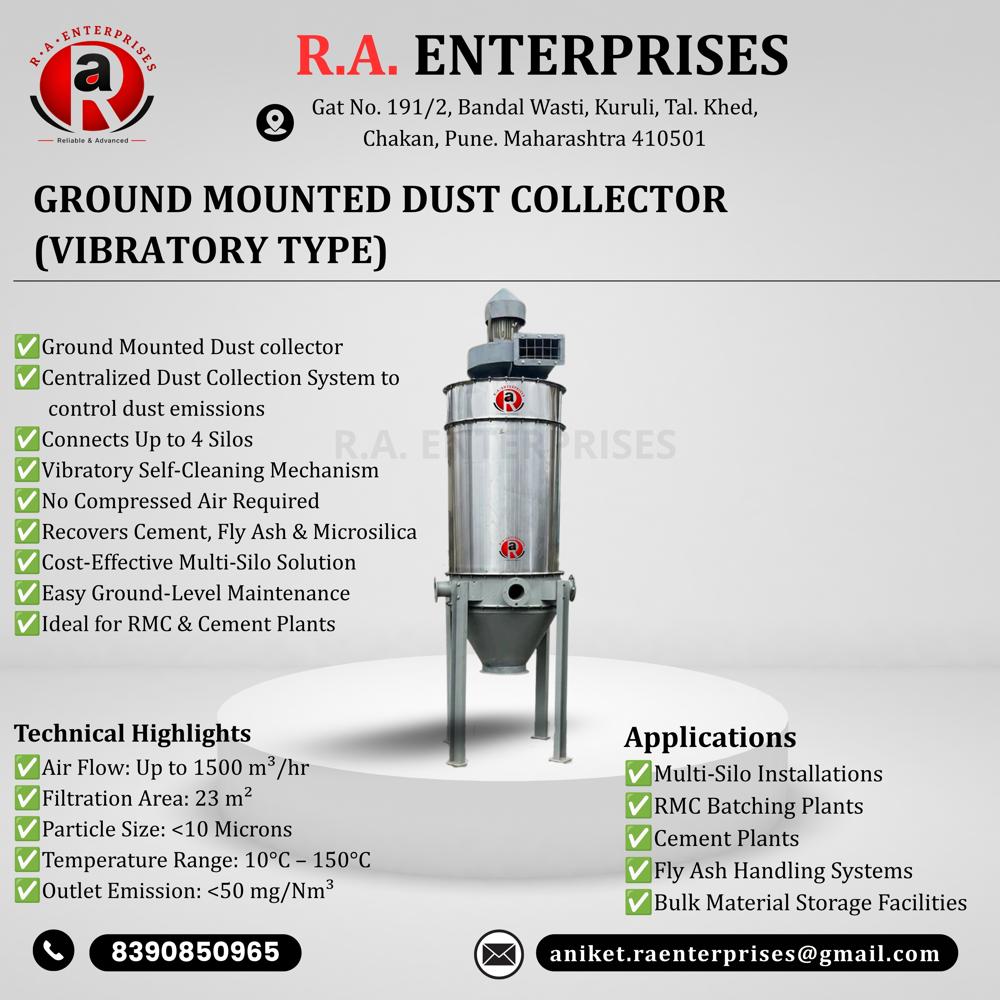
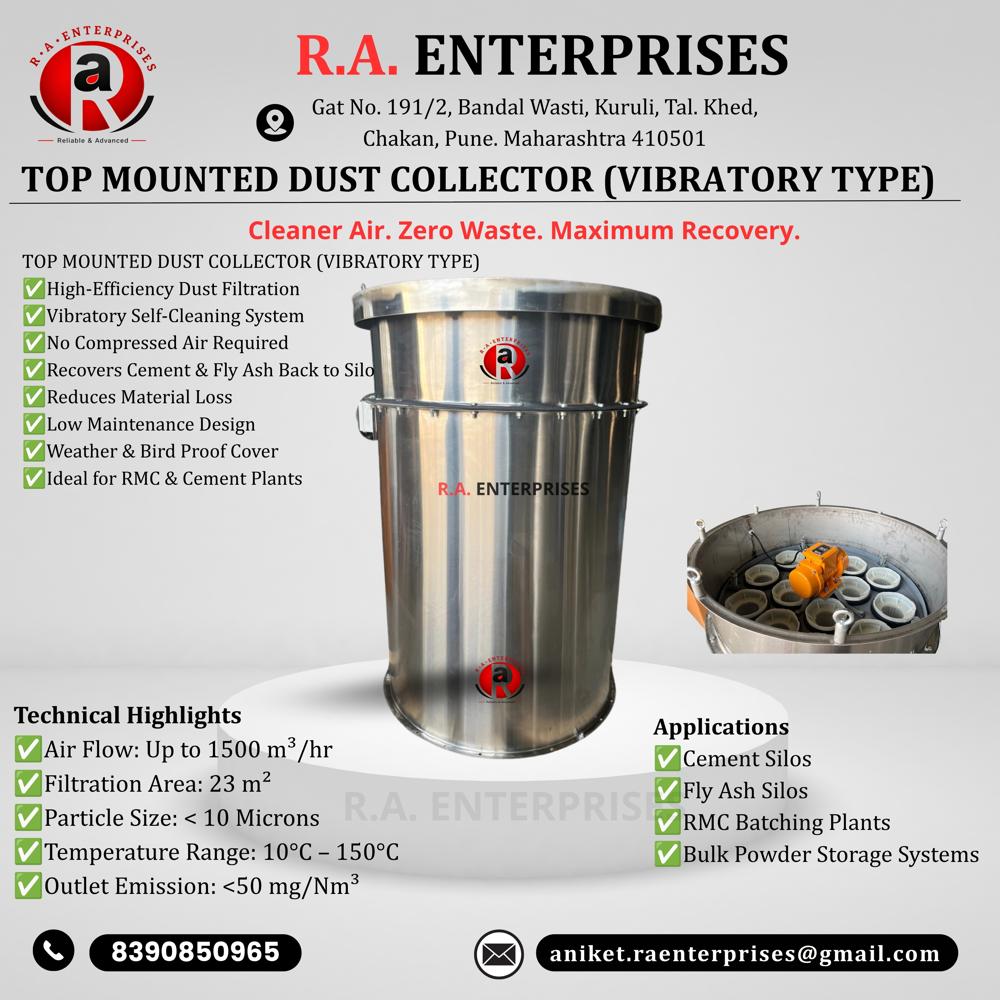
Vibratory dust collector control panel
Vibrating motor control panel
Filter cleaning control panel
Cartridge filter control panel
Bag filter control panel
Baghouse control panel
Silo dust collector control panel
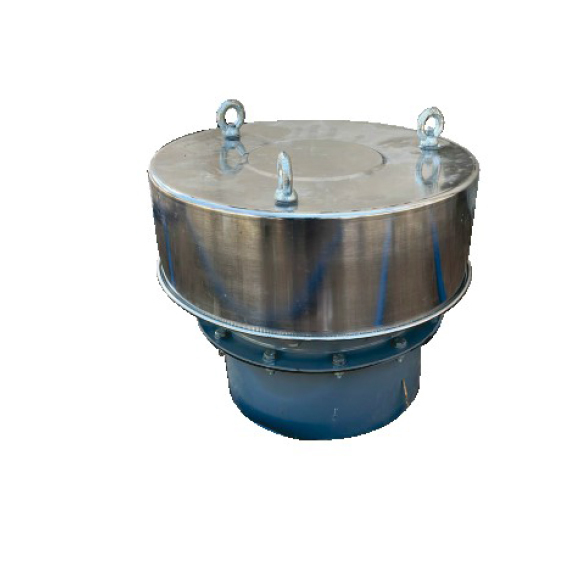
Silo vent filter controller
Dust collector differential pressure controller
Differential pressure meter
Differential pressure monitoring panel
DP-based filter cleaning
Timer-based filter cleaning
Pulse-on time controller
Pulse-off time controller
Solenoid valve control panel
Blower control panel
Dust collector fan starter panel
Rotary airlock control panel
Butterfly valve actuator control
Automatic filter cleaning panel
Manual automatic control panel
PLC dust collector panel
Dust collector MCC panel
Dust collector VFD panel
Industrial dust extraction control panel
Centralized dust collector panel
Multi-silo dust collector control panel
Dust collector fault alarm panel
High differential pressure alarm
Dust collector interlock system
Dust collector control panel price in India
Dust collector control panel manufacturer in India
Pulse-jet controller supplier in Pune
Dust collector automation panel manufacturer in Pune


Price:
Price 70000.0 INR / Unit
Minimum Order Quantity : 1 Unit
Color : Silver
Application : Industrial
Material : Steel
Finish : Polished
Price 40000.0 INR / Set
Minimum Order Quantity : 1 Set
Color : Matt Finish
Application : Industrial
Material : Steel
Finish : Polished
Price 1000.0 INR / Unit
Minimum Order Quantity : 10 Units
Color : Grey, Silver
Application : Industrial
Material : Steel
Finish : Polished
Price 670.0 INR / Unit
Minimum Order Quantity : 10 Units
Color : Silver, White
Application : Industrial
Material : Other, Metal, plastic
Finish : Polished