Bulker Unloading System

Bulker Unloading System

Price 295000 INR/ Unit

MOQ : 1 Unit

Bulker Unloading System Specification

  • General Use
  • Industrial
  • Automatic
  • Yes
  • Automatic Grade
  • Semi Automatic
  • Drive Type
  • Electric
  • Voltage
  • 220/440 Volt (v)
  • Motor
  • AC Motor
  • Feature
  • High Quality
  • Warranty
  • Yes
 

Bulker Unloading System Trade Information

  • Minimum Order Quantity
  • 1 Unit
  • Payment Terms
  • Cash in Advance (CID)
  • Supply Ability
  • 10 Units Per Month
  • Delivery Time
  • 30 Days
  • Main Domestic Market
  • All India
 

Bulker Unloading System About


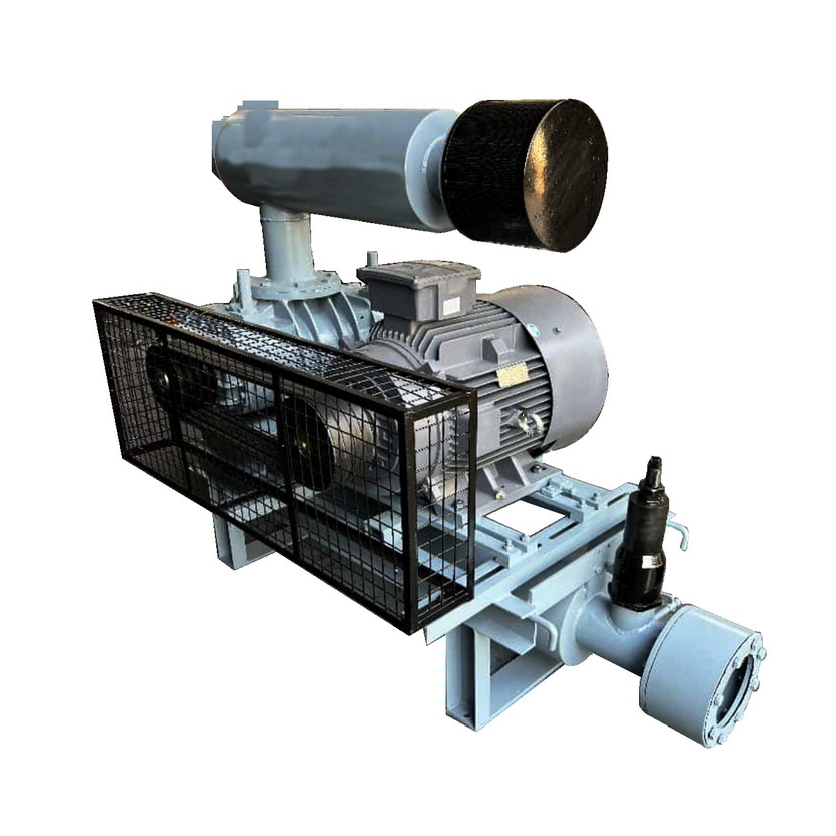
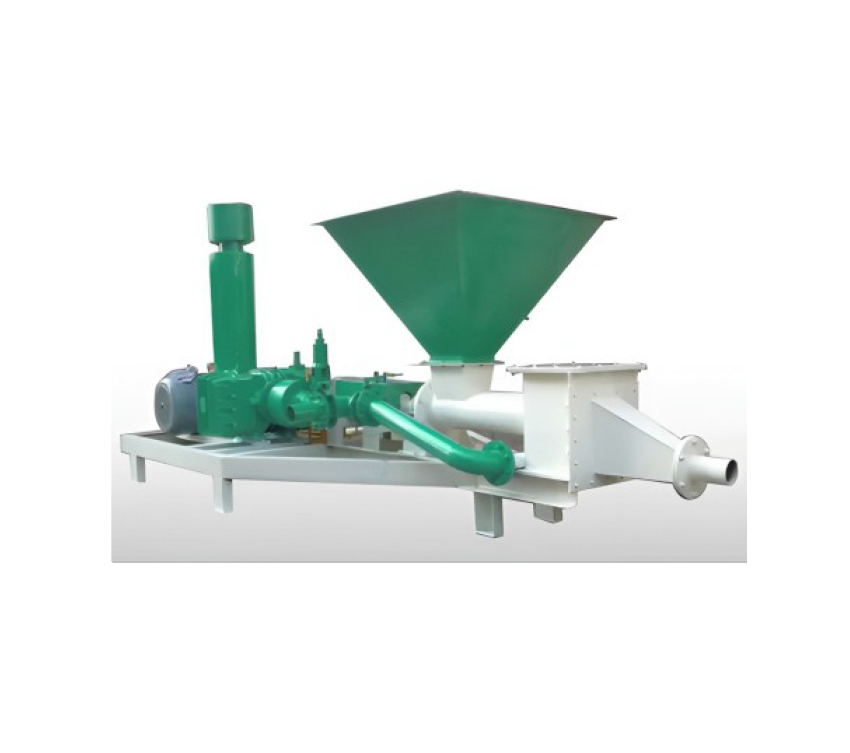
The Bulker Unloading System is an advanced industrial solution designed to streamline material unloading processes. Engineered for efficiency, it features automatic functionality with an AC motor, providing reliable performance with a voltage range of 220 to 440 volts. Its semi-automatic grade ensures flexibility for varied operational needs, while the electric drive type delivers consistent power. Built for durability, this system guarantees high-quality output under demanding industrial conditions. The product also comes with a warranty, underscoring its reliability and long-term dependability. Ideal for businesses seeking robust and efficient material handling solutions, the Bulker Unloading System is a smart investment for optimizing industrial workflow.

FAQs of Bulker Unloading System:


Frequently Asked Questions About Bulker Feeding Systems

1. What is a bulker feeding system?

A bulker feeding system is a pneumatic material-transfer system used to unload bulk cement, fly ash or other dry powder from a tanker and transfer it into a storage silo.

2. How does a cement bulker feeding system work?

Compressed air enters the cement bulker and fluidizes the stored cement. Air pressure then pushes the cement through the unloading hose and filling pipeline into the storage silo.

3. What is the purpose of a bulker feeding system?

The system enables fast and enclosed unloading of bulk cement from a tanker into a cement silo while reducing manual material handling and cement-bag waste.

4. Where is a bulker feeding system used?

It is commonly used at ready-mix concrete plants, concrete batching plants, precast plants, cement plants, dry-mix mortar plants and large construction sites.

5. What materials can be transferred using a bulker feeding system?

A suitable system can transfer cement, fly ash, GGBS, lime, gypsum and other dry powder materials. The bulker and pipeline must be compatible with the stored material.

6. What is another name for a bulker feeding system?

It may also be called a cement bulker unloading system, bulk cement transfer system, tanker unloading system, pneumatic cement conveying system or cement silo filling system.

7. What equipment is required for bulker unloading?

The system normally requires a cement bulker, air compressor, unloading hose, silo filling pipe, bends, non-return valve, pinch valve or control valve, silo dust collector and pressure relief valve.

8. Does the bulker have its own compressor?

Some cement bulkers have an onboard compressor, while others require an external compressor. The correct arrangement depends on the tanker design and site facilities.

9. Does a bulker feeding system require a roots blower?

A standard cement bulker generally uses an air compressor to pressurize and fluidize the cement. A roots blower may be used in separately designed pneumatic conveying arrangements.

10. How is the bulker connected to the cement silo?

The bulker unloading outlet is connected to the silo filling pipeline using a suitable flexible hose, coupling and control valve.

11. What is the function of the silo filling pipe?

The filling pipe carries cement from the bulker connection point to the top of the storage silo.

12. What size filling pipe is required?

The correct filling-pipe diameter depends on the unloading capacity, compressor airflow, material characteristics, conveying distance and number of bends.

13. What is the unloading capacity of a cement bulker?

The unloading capacity depends on the bulker design, compressor capacity, pipeline diameter, conveying distance, silo height and cement flow condition.

14. How long does it take to unload a cement bulker?

The unloading time depends on the quantity of cement, compressor performance, pipeline layout, silo height, dust-collector condition and material flow.

15. Can one bulker feeding line fill two silos?

Yes. One bulker unloading point can fill two or more silos using a distribution valve, diverter valve or separate manually selected filling lines.

16. Can the same bulker line transfer cement and fly ash?

It may be technically possible, but separate pipelines are recommended where material purity is important. Shared pipelines can cause cross-contamination.

17. Why is a silo dust collector required during bulker unloading?

The dust collector filters the displaced air that leaves the silo while cement enters. It helps control dust emissions and allows the silo to vent during normal filling.

18. Why is a pressure relief valve required?

The pressure relief valve protects the silo from abnormal positive or negative pressure. It is an emergency safety device and does not replace the silo dust collector.

19. Is a high-level indicator required during bulker unloading?

Yes. A high-level indicator warns the operator when cement reaches the maximum filling level and helps reduce the risk of silo overfilling.

20. Can the bulker unloading stop automatically when the silo is full?

The high-level indicator can be connected to an alarm or automatic filling-control system. The exact control arrangement depends on the silo safety system.

21. Why does pressure increase inside the silo during filling?

Pressure may increase because of a blocked dust collector, excessive compressor pressure, a restricted vent, an overfilled silo or an incorrectly sized filling system.

22. Why is cement coming out of the pressure relief valve?

This may indicate excessive silo pressure, a blocked dust collector, overfilling, high unloading pressure or a malfunctioning pressure relief valve.

23. Why is bulker unloading slow?

Slow unloading may be caused by low compressor airflow, a blocked pipeline, cement compaction, air leakage, excessive bends, a dirty dust collector or an incorrect valve position.

24. Why is the bulker pipeline getting blocked?

Blockage may be caused by moisture, hardened cement, insufficient conveying air, excessive feeding rate, incorrect pipeline diameter or material remaining inside the line after unloading.

25. How can pipeline blockage be prevented?

Use dry compressed air, maintain the correct unloading pressure, avoid unnecessary sharp bends, inspect the pipeline regularly and clear the line properly after unloading.

26. Can a bulker feeding system be installed on an existing silo?

Yes. A filling pipeline and tanker connection can be added to an existing silo after checking the silo condition, available space, roof connection and required safety accessories.

27. What safety precautions should be followed during bulker unloading?

The operator should confirm the correct silo, check available storage capacity, inspect hose connections, start the dust collector, monitor pressure and stop unloading immediately if an abnormal condition occurs.

28. What maintenance is required for a bulker feeding system?

Regularly inspect the unloading hose, couplings, filling pipe, bends, valves, compressor, pressure gauge, dust collector, pressure relief valve and level indicator.

29. What is the price of a bulker feeding system in India?

The price depends on the pipeline diameter, conveying distance, number of silos, valve arrangement, automation requirements, structural supports and additional safety accessories.

30. Does RA Enterprises manufacture customized bulker feeding systems?

Yes. RA Enterprises can manufacture and supply customized bulker feeding pipelines, silo filling arrangements, distribution systems and related batching plant accessories.

31. What information is required for a quotation?

Please provide the material name, silo capacity, number of silos, horizontal distance, silo filling height, required pipeline diameter, unloading-point location, automation requirement and project location.

Related Searchable Keywords

Bulker feeding system

Cement bulker feeding system

Cement bulker unloading system

Bulk cement unloading system

Cement tanker unloading system

Cement tanker feeding system

Bulk cement transfer system

Cement silo filling system

Pneumatic cement conveying system

Cement bulker unloading pipeline

Cement bulker unloading hose

Cement silo filling pipe

Bulk cement conveying pipeline

Cement bulker compressor system

Cement tanker to silo transfer system

Fly ash bulker unloading system

GGBS bulker unloading system

Cement silo tanker connection

Cement silo filling valve

Cement distribution valve

Two-silo bulker feeding system

Cement bulker unloading point

Concrete batching plant bulker system

RMC plant cement unloading system

Cement bulker feeding system price in India

Bulker feeding system manufacturer in India

Cement bulker unloading system manufacturer in Pune

Cement silo filling pipeline supplier in Pune


Tell us about your requirement
product

Price:

Quantity
Select Unit

  • 50
  • 100
  • 200
  • 250
  • 500
  • 1000+
Additional detail
Mobile number

Email

More Products in Silo Feeding System Category

Inclined And Vertical Screw Silo Feeding System

Inclined And Vertical Screw Silo Feeding System

Price 70500.0 INR / Unit

Minimum Order Quantity : 1 Unit

Automatic Grade : Semi Automatic

General Use : Industrial

Automatic : Yes

Feature : High Quality

Dual Cement Feeding System

Dual Cement Feeding System

Price 290000.0 INR / Unit

Minimum Order Quantity : 1 Unit

Automatic Grade : Fully Automatic

General Use : Industrial

Automatic : Yes

Feature : High Quality


Back to top