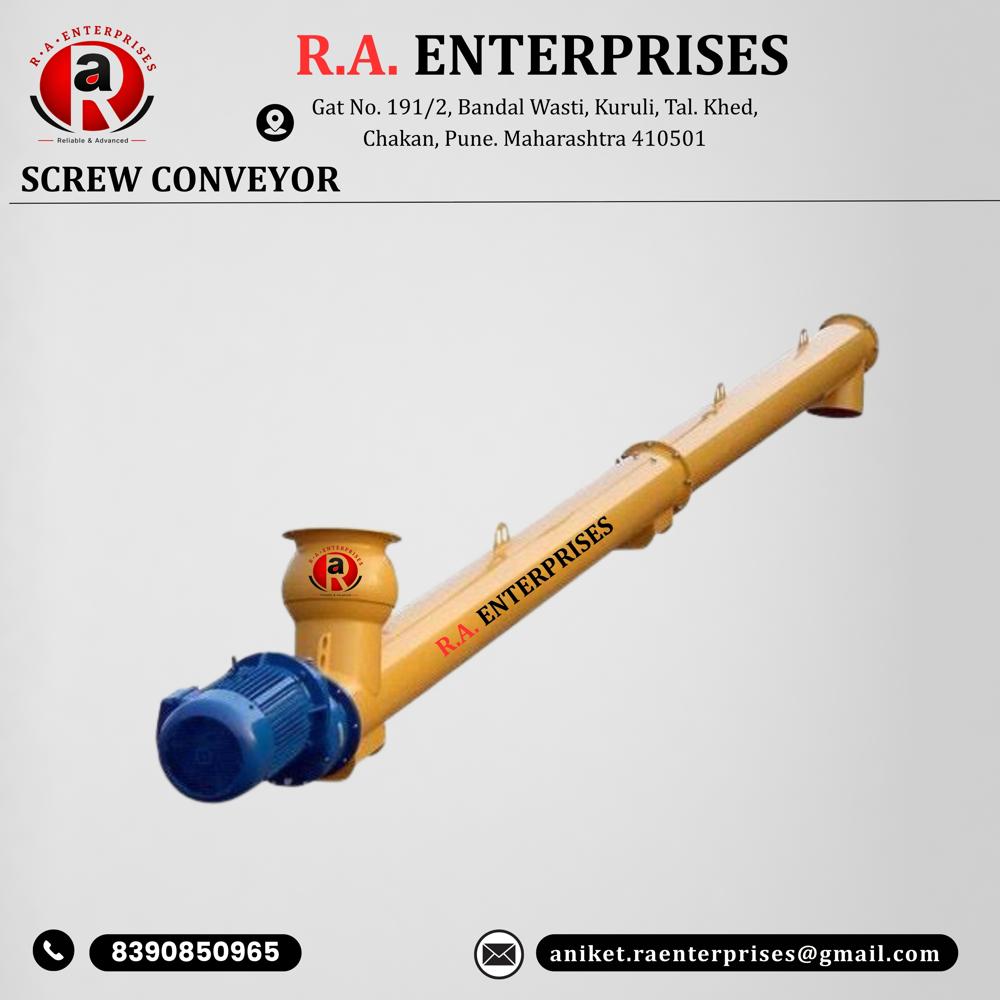
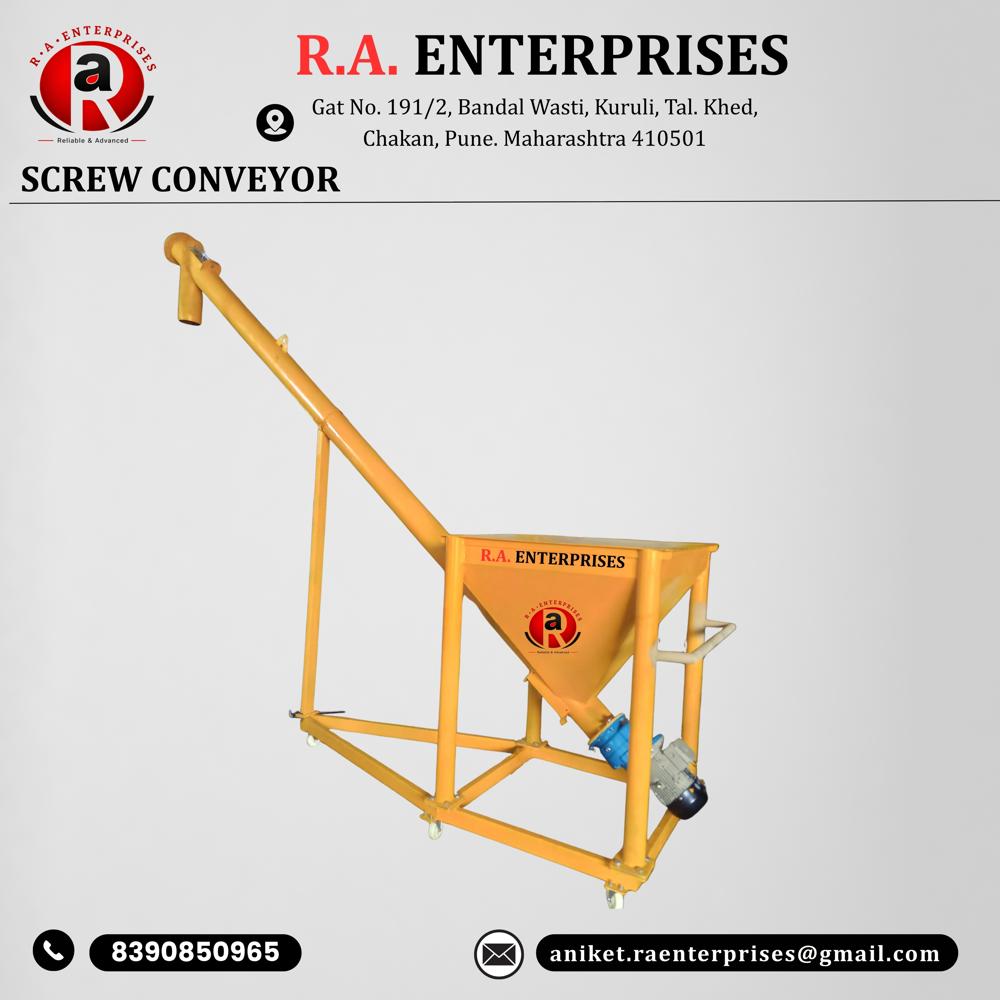
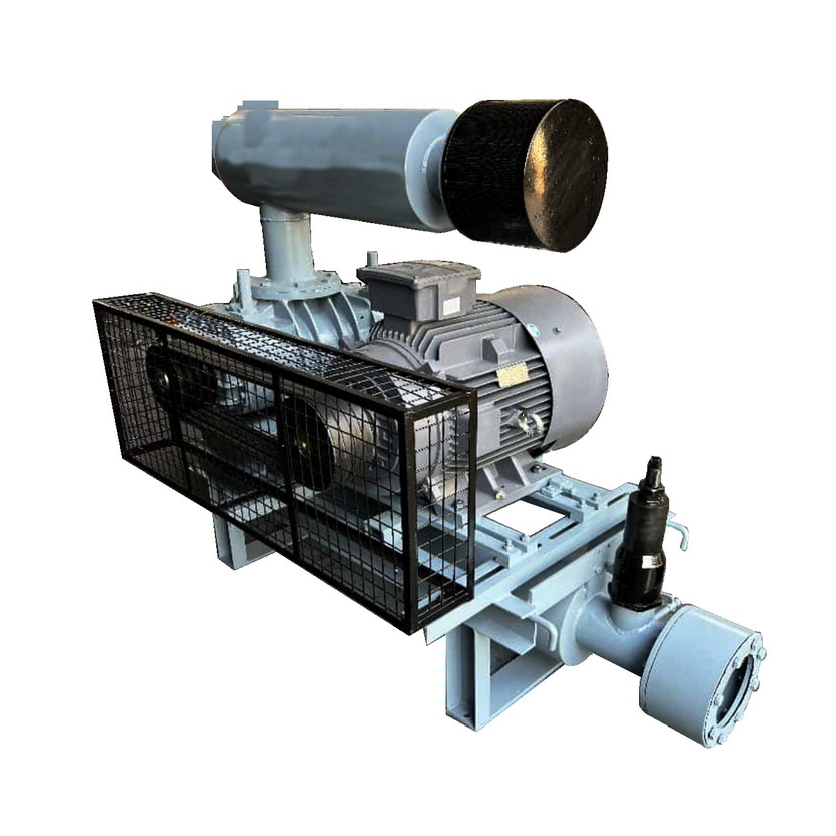
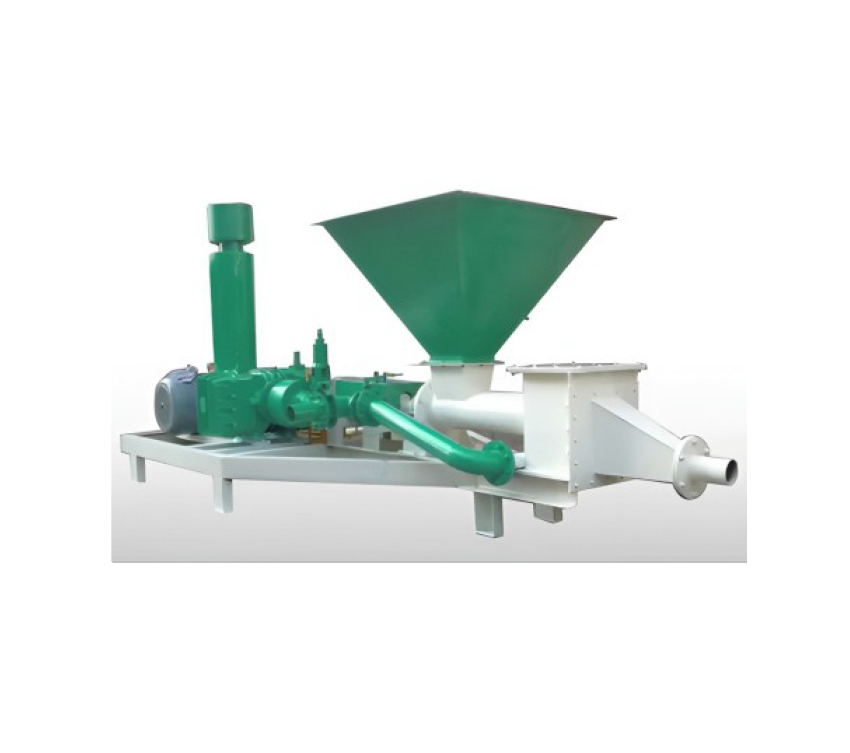
A screw conveyor is an enclosed bulk-material handling system that uses a rotating helical screw flight to move powder, granules or semi-solid material from one location to another.
The electric motor and gearbox rotate the screw inside a tube or trough. As the screw rotates, its flights push the material from the inlet towards the discharge outlet.
A screw conveyor is also known as an auger conveyor, spiral conveyor, helix conveyor, screw feeder, screw-type conveyor or screw conveying system.
Screw conveyors are used in concrete batching plants, ready-mix concrete plants, cement plants, fly ash handling systems, dry-mix mortar plants, food plants, chemical plants, wastewater plants and other bulk-material handling industries.
Common screw conveyor types include:
Tubular screw conveyor
U-trough screw conveyor
Horizontal screw conveyor
Inclined screw conveyor
Vertical screw conveyor
Cement screw conveyor
Screw feeder
Shafted screw conveyor
Shaftless screw conveyor
Flexible screw conveyor
Ribbon screw conveyor
Paddle screw conveyor
Variable-pitch screw conveyor
Live-bottom screw feeder
Portable screw conveyor
Stainless-steel screw conveyor
Heavy-duty screw conveyor
Jacketed screw conveyor
The correct type depends on the material, capacity, conveying distance, inclination and process requirements.
A cement screw conveyor is specially designed to transfer cement powder from a silo to a weighing hopper, batching plant or another processing point. It normally has an enclosed tubular body to control dust leakage.
It is commonly installed below the cement silo butterfly valve. The inlet receives cement from the silo, while the outlet discharges it into the cement weigh hopper or batching plant.
A tubular screw conveyor has a fully enclosed circular casing containing a rotating screw. It is commonly used for cement, fly ash, filler, lime, gypsum and other powders requiring dust-tight conveying.
A tubular screw conveyor generally includes a tubular casing, screw flights, inlet, outlet, end-bearing assemblies, seals, drive unit and intermediate supports where required.
A tubular screw conveyor provides enclosed material transfer, compact installation, reduced dust leakage and protection of the conveyed material from outside contamination.
A U-trough screw conveyor has a U-shaped casing with a removable top cover. It is commonly used for horizontal and low-incline conveying applications where easy inspection and maintenance are required.
A tubular screw conveyor has a completely enclosed circular casing and is commonly used for dusty powders and inclined conveying.
A U-trough conveyor has a removable cover and provides easier access for inspecting the screw, bearings and internal components. U-trough designs are widely used for horizontal conveying and lower inclination angles.
A horizontal screw conveyor moves material along a level or nearly level path. It is one of the most commonly used screw conveyor designs because it provides reliable and controlled bulk-material transfer.
An inclined screw conveyor transfers material from a lower level to a higher level at an angle. Its diameter, screw pitch, speed and motor power must be selected according to the inclination and material characteristics.
Yes. Material tends to fall backwards between the screw flights as the inclination increases. Therefore, an inclined screw conveyor may require a larger diameter, modified screw pitch, higher speed or additional power compared with a horizontal conveyor.
A vertical screw conveyor lifts bulk material vertically within a compact installation area. It requires a controlled and consistent material-feeding arrangement at its inlet.
No. A vertical screw conveyor requires a specialized screw design, speed, casing, inlet feeder and drive arrangement. A standard horizontal conveyor should not be installed vertically without engineering evaluation.
Horizontal or inclined feeders are commonly used to meter material into a vertical screw conveyor.
A shafted screw conveyor has screw flights welded or formed around a central pipe or shaft. Intermediate hanger bearings may support the rotating shaft in longer conveyors.
A shaftless screw conveyor uses a heavy-duty spiral without a central pipe. It is suitable for sticky, fibrous, irregular or difficult-to-handle materials that could become wrapped around a centre shaft.
Shaftless conveyors can be designed for horizontal, inclined and certain vertical applications.
A shafted conveyor is commonly used for powders and free-flowing bulk materials such as cement and fly ash.
A shaftless conveyor is more suitable for sticky, wet, fibrous or irregular materials because it does not have a centre pipe or internal hanger bearings obstructing the material path.
A flexible screw conveyor uses a flexible helical screw rotating inside a flexible or rigid tube. It can follow inclined or curved routes and is often used where plant space is limited.
Flexible screw conveyors are also known as spiral conveyors, helix conveyors or auger conveyors. Some designs have no internal bearings or seals within the material-contact area.
A rigid screw conveyor uses a solid steel casing and rigid shaft or screw assembly. It is suitable for heavy-duty industrial conveying.
A flexible screw conveyor uses a flexible spiral and tube, making it suitable for lighter-duty applications and layouts requiring curved or movable conveying routes.
A screw feeder is used to withdraw material at a controlled rate from a silo, hopper or storage bin. Unlike a standard conveyor, its inlet is normally flood-loaded with material.
A screw conveyor transfers material that is supplied to it at a controlled rate.
A screw feeder receives material directly from a flood-loaded hopper or silo and controls the rate at which the material is discharged.
A variable-pitch screw feeder has gradually increasing spacing between the screw flights. It helps withdraw material more evenly across the complete length of a hopper or bin outlet.
A short-pitch screw conveyor has a smaller distance between consecutive screw flights. It is commonly considered for inclined conveying, controlled feeding and applications requiring reduced material movement per rotation.
A standard-pitch screw has a pitch approximately equal to the screw diameter. It is widely used for horizontal conveying of suitable free-flowing bulk materials.
A ribbon screw conveyor uses an open helical ribbon connected to the centre pipe by supporting bars. It can be used for sticky, viscous or cohesive materials and for applications requiring additional material movement or mixing.
A paddle screw conveyor uses adjustable paddles instead of continuous full flights. It is mainly used for mixing, blending, conditioning or gently moving bulk material.
A cut-flight screw has sections removed from the outer edge of the flights. It provides additional agitation and can help mix or break up certain bulk materials during conveying.
A cut-and-folded flight screw has sections of the flight cut and bent to create lifting and mixing action. It is used where material agitation or blending is required during conveying.
A tapered-flight screw has flights that gradually change in diameter. It may be used for controlled material withdrawal and special feeding applications.
A live-bottom screw feeder uses two or more parallel screws below a wide hopper or storage bin. It provides controlled withdrawal across a larger outlet area and helps reduce stagnant material zones.
A multiple-screw feeder contains two or more screws operating below the same hopper. It is used when a single screw cannot provide uniform material extraction across the full hopper width.
A portable screw conveyor is mounted on a movable frame or wheels. It can be shifted between different feeding and discharge locations according to site requirements.
A stainless-steel screw conveyor has product-contact components manufactured from a suitable stainless-steel grade. It is used where corrosion resistance, cleanliness or material compatibility is important.
A mild-steel screw conveyor is manufactured primarily from carbon-steel components. It is commonly used for cement, fly ash, mineral powders and general industrial bulk-material handling.
A wear-resistant screw conveyor uses thicker flights, replaceable liners, hard-facing or abrasion-resistant materials in areas exposed to high wear.
A jacketed screw conveyor has an external heating or cooling jacket around the trough or tube. It may be used when the material temperature must be controlled during conveying.
Depending on its design, a screw conveyor can handle:
Cement
Fly ash
GGBS
Lime powder
Gypsum
Microsilica
Mineral filler
Sand
Ash
Grain
Flour
Chemical powders
Plastic granules
Sludge
Biomass
Food ingredients
Material characteristics must be evaluated before final conveyor selection.
It may be possible when the conveyor capacity and construction are suitable. Separate conveyors are recommended when material mixing or cross-contamination must be avoided.
Yes, but the screw type, trough design, liner, shaft arrangement and cleaning access must be selected specifically for the material. Shaftless or ribbon-type conveyors may be considered for some sticky applications.
The main components may include:
Tubular casing or U-trough
Screw flights
Centre pipe or shaft
Drive motor
Gearbox
Inlet and outlet
End bearings
Intermediate hanger bearings
Coupling shafts
Seals
Inspection covers
Support brackets
Flexible connections
Protective guards
Screw conveyor manufacturers offer different flight, pitch, casing, bearing, seal and material-construction options according to the application.
The flight is the helical steel blade that rotates inside the conveyor casing and pushes the material towards the outlet.
Helicoid flighting is continuously formed from steel strip.
Sectional flights are individually manufactured sections that are welded together. Sectional flights can be suitable for thicker, heavier-duty and customized screw designs.
Pitch is the axial distance between two corresponding points on consecutive screw flights. Standard, short, long and variable-pitch arrangements are available for different conveying and feeding applications.
A hanger bearing supports the screw shaft between conveyor sections. It is generally used in longer shafted screw conveyors where additional internal support is required.
No. Short conveyors may operate with end bearings only. Longer shafted conveyors may require one or more intermediate hanger bearings depending on the length, shaft design and operating load.
An intermediate bearing supports connected screw sections inside a long conveyor. Its material and design should be suitable for the conveyed product, operating temperature and wear conditions.
The gearbox reduces the motor speed and increases the available torque required to rotate the screw under the expected material load.
A direct-drive screw conveyor has the motor and gearbox connected directly to the conveyor drive shaft, reducing the need for an external chain-and-sprocket transmission.
A chain-drive system transfers power from the gearbox to the conveyor shaft through sprockets and a chain. It may provide flexibility in drive position and speed selection.
Capacity depends on the screw diameter, pitch, rotational speed, trough loading, inclination, material bulk density and material-flow characteristics.
The conveyor should be selected using application-specific engineering calculations rather than only the required tonnes-per-hour figure.
The diameter is selected according to the required conveying capacity, material density, screw speed, inclination, particle size and allowable trough loading.
Motor power depends on the conveyor diameter, length, inclination, material load, material friction, bearing resistance, starting condition and required capacity.
Screw speed is selected according to the screw diameter, material characteristics, required capacity, inclination and allowable material degradation.
A higher speed does not always provide better performance and may increase wear, power consumption or material damage.
The practical length depends on the screw diameter, shaft design, bearings, alignment, drive power, conveying angle and material.
Long conveying distances may require multiple conveyor sections or transfer points.
Yes. Multiple inlets can be provided to receive material from different silos, hoppers or process equipment, provided the total loading is properly controlled.
Yes. Multiple outlets with slide gates, butterfly valves or diverter arrangements can be provided to discharge material at different locations.
Yes. Enclosed casings, suitable covers, flange gaskets, shaft seals and flexible inlet and outlet connections can help control dust leakage.
Yes. A cement screw conveyor is normally connected below the silo butterfly valve using a suitable inlet adaptor or flexible connection.
Yes. Cement screw conveyors are commonly used to transfer cement or fly ash from storage silos into batching plant weigh hoppers.
Yes. A conveyor may be arranged below two silos, but suitable isolation valves, inlet design and feed controls are required to prevent overloading.
Low capacity may be caused by:
Insufficient material supply
Incorrect screw speed
Excessive inclination
Worn screw flights
Material buildup
Blocked inlet or outlet
Motor or gearbox problems
Incorrect screw pitch
Excessive clearance between the screw and casing
Material fallback may occur because of excessive inclination, low screw speed, incorrect pitch, an overloaded inlet or an unsuitable screw design.
Blockage may be caused by moisture, hardened cement, excessive feeding, a restricted outlet, incorrect rotation, material compaction or foreign objects inside the conveyor.
Keep cement dry, avoid overfeeding, maintain the correct operating sequence, inspect the outlet, check screw rotation and clean remaining material before extended shutdowns.
Excessive vibration may result from misalignment, a bent screw shaft, worn bearings, loose supports, material buildup, damaged flights or an unbalanced screw assembly.
Abnormal noise may be caused by worn bearings, screw contact with the casing, damaged couplings, loose bolts, lack of lubrication, misalignment or foreign material.
The motor may trip because of overloading, blocked material, incorrect electrical protection settings, low voltage, phase failure, seized bearings or gearbox problems.
Leakage may be caused by damaged seals, loose flanges, worn gaskets, open inspection covers, cracked welding joints or misaligned inlet and outlet connections.
Rapid wear may result from abrasive material, excessive speed, thin flight material, incorrect conveyor loading or contact between the screw and casing.
Yes. Individual screw sections or the complete screw assembly can be repaired or replaced, depending on the wear level and conveyor construction.
Replaceable liners may be provided in U-trough and shaftless conveyors. The liner material should be selected according to abrasion, friction and operating temperature.
Regular maintenance should include checking:
Motor and gearbox
End and hanger bearings
Screw flights
Coupling bolts
Shaft seals
Mounting supports
Inlet and outlet
Lubrication
Alignment
Protective covers and guards
Inspection frequency depends on operating hours, material abrasiveness, dust conditions and production requirements. Frequently used cement conveyors should be included in the plants regular preventive-maintenance schedule.
Brief empty running may be permitted for certain designs, but continuous empty operation can create unnecessary wear and heat. The operating instructions for the specific conveyor should be followed.
Restarting under full load requires sufficient motor torque and a correctly selected gearbox. Frequent loaded starts can increase stress on the drive and conveyor components.
The screw conveyor must be isolated and electrically locked out before opening covers or performing maintenance. Guards should remain fitted during operation, and personnel must never enter or reach into the conveyor while it can start.
Yes. The diameter, length, inclination, screw pitch, flight thickness, body material, inlet, outlet, motor, gearbox, supports and surface finish can be customized according to the application.
The price depends on the conveyor type, diameter, length, inclination, capacity, material of construction, flight thickness, motor, gearbox, bearings, liners and accessories.
Yes. RA Enterprises manufactures and supplies customized screw conveyors for cement, fly ash and other dry bulk-material handling applications according to customer requirements and site conditions.
Please provide:
Material name
Required conveying capacity
Horizontal length
Vertical height
Conveyor inclination
Inlet and outlet locations
Screw diameter, if already specified
Material bulk density
Motor and gearbox requirement
Electrical supply
Material of construction
Site location
Existing drawing or sample, if available
Screw conveyor
Industrial screw conveyor
Auger conveyor
Spiral conveyor
Helix conveyor
Screw conveying system
Screw feeder
Industrial screw feeder
Bulk material screw conveyor
Dry bulk screw conveyor
Powder screw conveyor
Cement screw conveyor
Cement feeding screw conveyor
Cement silo screw conveyor
Silo discharge screw conveyor
Concrete batching plant screw conveyor
RMC plant screw conveyor
Batching plant cement conveyor
Fly ash screw conveyor
GGBS screw conveyor
Lime powder screw conveyor
Gypsum screw conveyor
Microsilica screw conveyor
Mineral filler screw conveyor
Tubular screw conveyor
Tubular screw feeder
Tubular trough screw conveyor
Enclosed screw conveyor
Dust-tight screw conveyor
U-trough screw conveyor
U-shaped screw conveyor
Horizontal screw conveyor
Inclined screw conveyor
Vertical screw conveyor
Vertical auger conveyor
Shafted screw conveyor
Shaftless screw conveyor
Flexible screw conveyor
Flexible auger conveyor
Rigid screw conveyor
Ribbon screw conveyor
Ribbon flight screw
Paddle screw conveyor
Paddle mixer conveyor
Cut-flight screw conveyor
Cut-and-folded flight screw
Standard-pitch screw conveyor
Short-pitch screw conveyor
Variable-pitch screw conveyor
Tapered-flight screw conveyor
Double-flight screw conveyor
Live-bottom screw feeder
Multiple-screw feeder
Twin screw feeder
Portable screw conveyor
Mobile screw conveyor
Stainless-steel screw conveyor
Mild-steel screw conveyor
Carbon-steel screw conveyor
Heavy-duty screw conveyor
Wear-resistant screw conveyor
Abrasion-resistant screw conveyor
Jacketed screw conveyor
Heating screw conveyor
Cooling screw conveyor
Screw conveyor with hopper
Screw conveyor with feeding hopper
Screw conveyor with butterfly valve
Screw conveyor with gearbox
Direct-drive screw conveyor
Chain-drive screw conveyor
Screw conveyor flight
Helicoid screw flight
Sectional screw flight
Screw conveyor hanger bearing
Screw conveyor intermediate bearing
Screw conveyor end bearing
Screw conveyor shaft seal
Screw conveyor flexible connection
Screw conveyor inlet adaptor
Screw conveyor spare parts
Screw conveyor replacement flight
Screw conveyor capacity calculation
Screw conveyor motor selection
Screw conveyor gearbox selection
Screw conveyor manufacturer in India
Cement screw conveyor manufacturer in India
Screw conveyor manufacturer in Pune
Cement screw conveyor supplier in Pune
Concrete batching plant equipment manufacturer
Screw conveyor price in India
Cement screw conveyor price
Customized screw conveyor manufacturer


Price:
Price 295000 INR / Unit
Minimum Order Quantity : 1 Unit
Automatic Grade : Semi Automatic
Automatic : Yes
Feature : High Quality
Warranty : Yes
Price 290000.0 INR / Unit
Minimum Order Quantity : 1 Unit
Automatic Grade : Fully Automatic
Automatic : Yes
Feature : High Quality
Warranty : Yes