
Call: 07971258167
 Send Inquiry
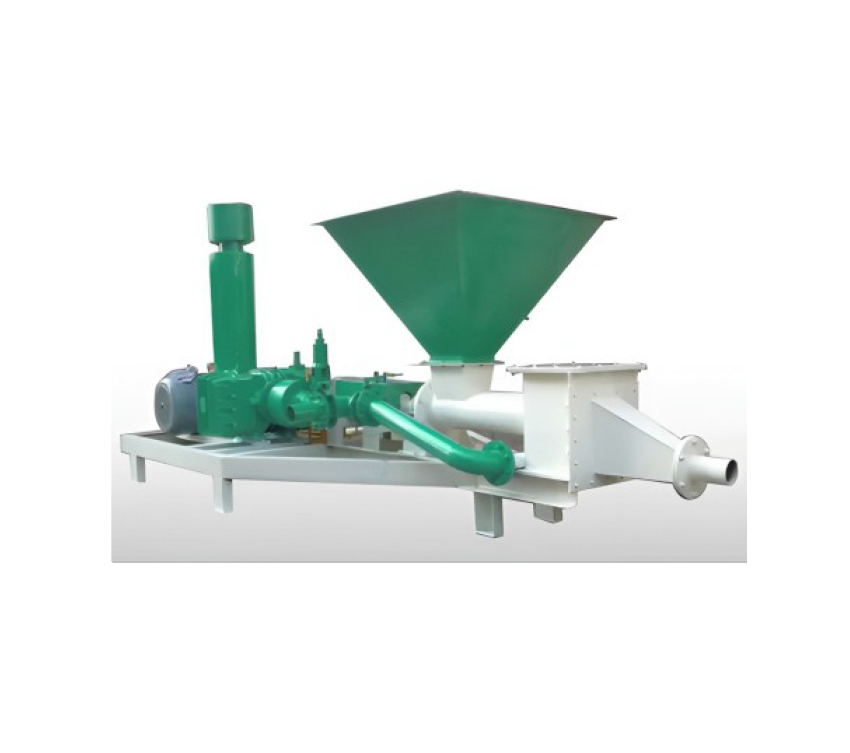
A dual cement feeding system is designed to transfer cement into a storage silo through two different feeding arrangements. It can be customized to receive cement from bulkers, cement bags or two separate feeding lines according to the plant requirement.
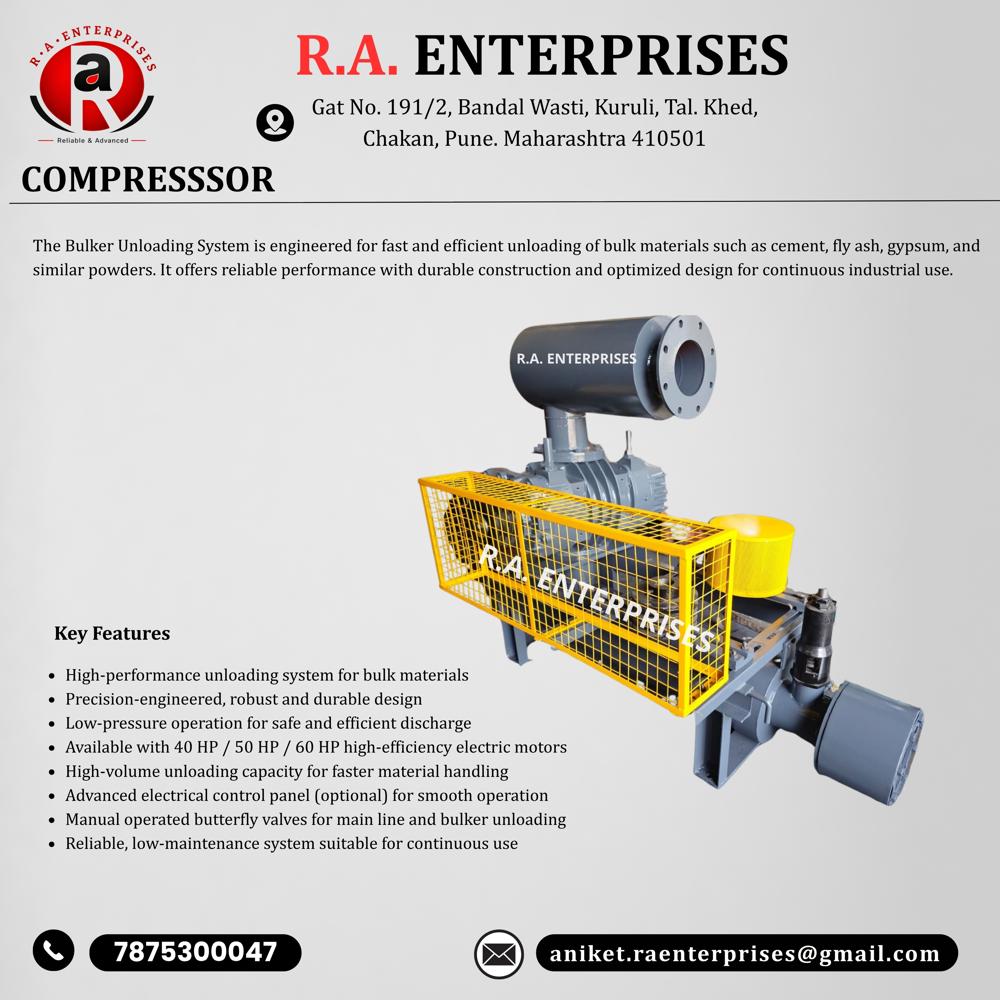
Cement is received through the selected feeding point and transferred into the storage silo using a screw feeder, pneumatic conveying unit, compressor or roots blower. Valves and controls direct the material through the required pipeline.
The system provides an alternative cement-feeding arrangement and helps reduce production stoppages. It allows the plant to continue operating when one feeding source is unavailable or when cement is received in different forms.
Yes. The system can be designed with a bag-feeding hopper and a bulker-unloading connection, allowing both bagged cement and bulk cement to be transferred into the silo.
It is commonly used in concrete batching plants, ready-mix concrete plants, precast plants, dry-mix mortar plants, brick plants and construction project sites.
The system can be designed to handle cement, fly ash, GGBS, lime and other dry powder materials. Equipment selection depends on the material density, flow characteristics and required feeding capacity.
Yes. One cement feeding system can be connected to two silos using a suitable diverter valve, distribution valve or separate filling pipelines.
Yes. The system can be customized to transfer cement and fly ash into separate silos. Proper valves, pipelines and controls must be provided to avoid accidental material mixing.
A typical system may include a feeding hopper, bag-cutting arrangement, screw feeder, pneumatic conveying unit, roots blower, motor, pipelines, bends, flexible connections, valves and electrical control panel.
A cement bag-feeding hopper is a receiving container where operators manually empty cement bags. The cement is then transferred from the hopper into the silo through the conveying system.
Yes. A bag-cutting arrangement can be provided inside the hopper to make cement-bag opening and material discharge easier.
A pneumatic cement feeding system generally requires a roots blower or compressor to provide the airflow needed to transfer cement through the pipeline.
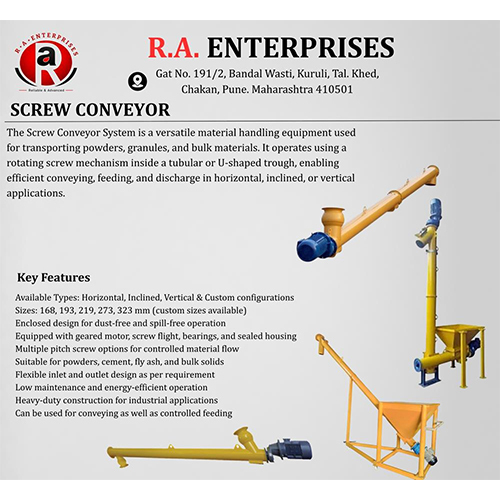
The screw feeder controls the cement flow from the feeding hopper and supplies material continuously to the pneumatic conveying unit.
The feeding capacity depends on the screw diameter, motor power, blower capacity, pipeline diameter, conveying distance, silo height and material properties.
The required capacity should be selected according to the batching plant output, daily cement consumption, silo size and available cement-unloading time.
Yes. The blower capacity, pipeline diameter, screw feeder and motor can be selected according to the horizontal and vertical conveying distance.
The system can be supplied with manual, semi-automatic or automatic controls. Automatic systems may include PLC controls, motor interlocks, valves, alarms and silo-selection switches.
Yes. Motors, blowers, valves and level indicators can be connected to the batching plant control panel or PLC for coordinated operation.
Yes. A silo dust collector is required to filter cement dust and release conveying air safely while the silo is being filled.
A pressure relief valve is an important silo safety accessory. It protects the silo against abnormal positive or negative pressure during filling and discharge.
An enclosed feeding and conveying system can significantly reduce cement-dust leakage. A feeding-hopper dust collector may also be provided for bag-emptying applications.
Yes. A dual cement feeding system can be designed for an existing plant after checking the available space, silo position, conveying distance, power supply and pipeline route.
Low capacity may be caused by insufficient blower airflow, a blocked pipeline, worn screw feeder, excessive bends, air leakage, incorrect valve position or moisture inside the cement.
Pipeline blockage can occur because of moisture, insufficient conveying air, excessive cement feeding, incorrect pipeline size, sharp bends or improper operating sequence.
Regular maintenance includes checking the screw feeder, blower, motor, bearings, valves, flexible connections, pipelines, electrical controls and dust collector.
The price depends on the required feeding capacity, conveying distance, hopper size, blower capacity, automation level, pipeline arrangement and additional accessories.
Yes. RA Enterprises can manufacture and supply customized dual cement feeding systems according to the required material, capacity, conveying distance, silo arrangement and site conditions.
Please provide the material name, required feeding capacity, number of silos, horizontal conveying distance, vertical conveying height, feeding source, available power supply and project location.
Dual cement feeding system
Cement feeding system
Bag and bulker cement feeding system
Dual silo feeding system
Cement silo filling system
Bag cement feeding system
Bulk cement feeding system
Pneumatic cement feeding system
Cement transfer system
Cement conveying system
Cement feeding hopper
Cement bag unloading system
Cement screw feeder
Cement feeding screw conveyor
Roots blower cement feeding system
Cement silo pneumatic conveying system
Fly ash feeding system
GGBS feeding system
Cement distribution valve
Two-silo cement feeding system
Cement feeding system for batching plant
Concrete batching plant cement feeding system
Automatic cement feeding system
Cement feeding system price in India
Dual cement feeding system manufacturer in India
Cement feeding system manufacturer in Pune
Cement silo filling system supplier in Pune

Price:
Price 295000 INR / Unit
Minimum Order Quantity : 1 Unit
Automatic Grade : Semi Automatic
Automatic : Yes
Feature : High Quality
General Use : Industrial
Price 70500.0 INR / Unit
Minimum Order Quantity : 1 Unit
Automatic Grade : Semi Automatic
Automatic : Yes
Feature : High Quality
General Use : Industrial


 Send Inquiry

 English
 Spanish
 French
 German
 Italian
 Chinese (Simplified)
 Japanese
 Korean
 Arabic
 Portuguese